Walking Holidays in the Alps
With Heidi
ATOL protected holidays
Why choose an Alps walking holiday?
- Five countries. One legendary mountain range.
- Trails for every pace - lakeside ambles to rugged ridge walks
- Stretching 1,200km across Europe - with trails that go even further
The Alps don't do things by halves. Glacial lakes, ancient forests, high-altitude ridges, meadows bursting with wildflowers… Yep, this is the mountains at their most spectacular. And best believe Heidi's hiking holidays in the Alps put you right in the middle of it.
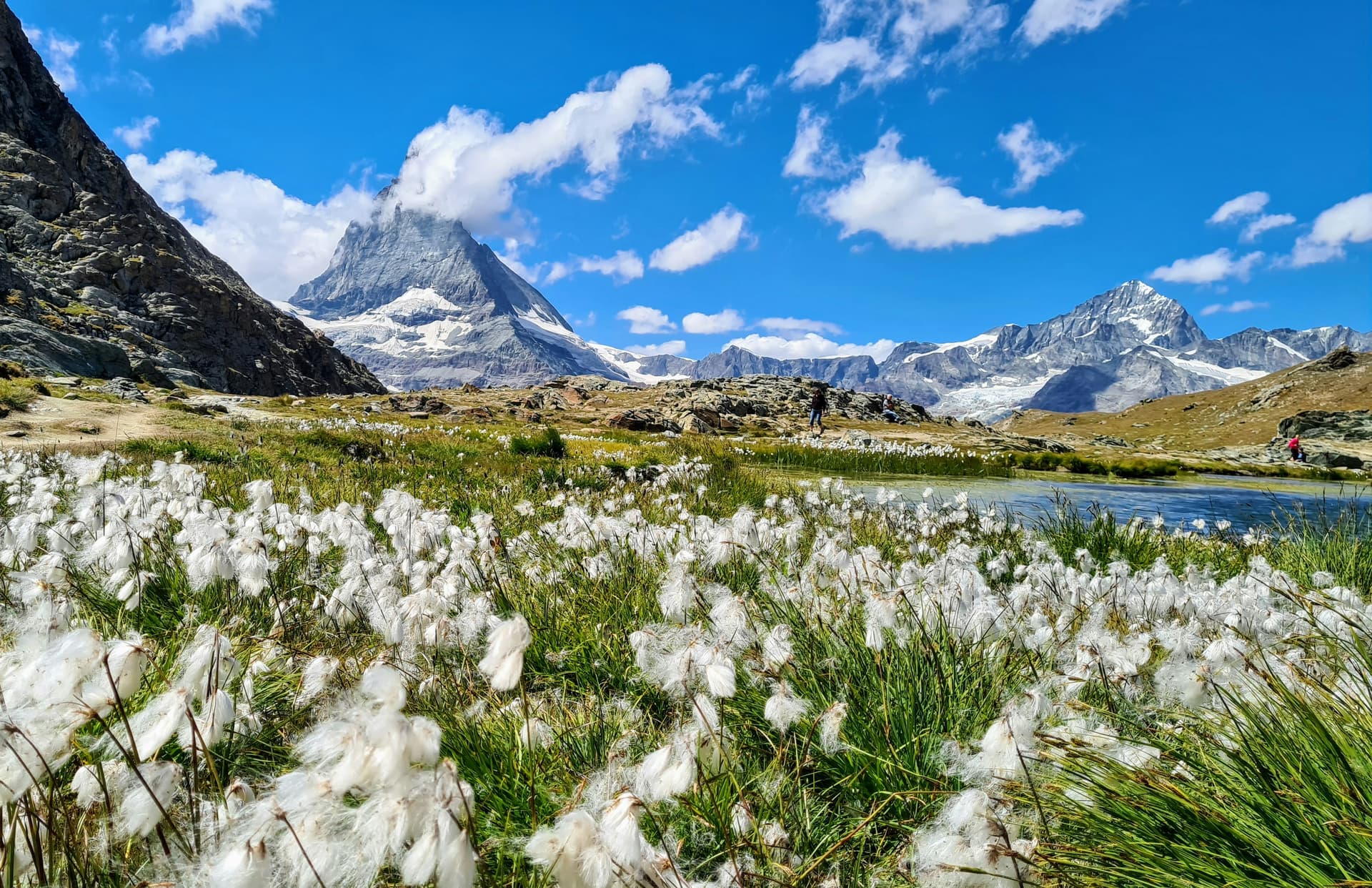
Pick your country, suss out your routes, and let Heidi sort the rest. The French Alps are a hiker's paradise, with glacial lakes and soaring ridgelines. Cross into Italy and the scenery shifts to dramatic peaks and flower-strewn pastures with bowls of post-hike pasta. Fancy lakeside views? It's got to be Slovenia. Journey to the Swiss Alps, and the mighty Matterhorn awaits. Then there's Austria - cosy Hütten, jaw-dropping views, and some of Europe's most beautiful trails.
The Alps are calling - Heidi's got the rest covered.


How to get around on your trip
How our self-guided Alps walking holidays work:
Our self-guided trips let you set your own pace, from the length of your stay, to how far you walk each day. But if you’re used to group or guided holidays, you might be wondering how you’ll get around? Well, it’s easy…
Getting to resort from the airport:
You can leave this bit to us. When booking, choose either a shared or private transfer and you’ll be whisked from the airport to your resort.
Getting to your walks and hikes:
Most gondolas that work all winter for ski holidays, work all summer too, often well into autumn. So unless you want to, you don’t need to start your walks from the mountain base, you can easily catch a lift to the trailhead.
Why book a mountain holiday with Heidi?
Updated today
Popular Deals in the Alps
Choose your Alps adventure

Alpbach, Austria
A flower-festooned village, full of mountain magic. Explore trails amid magical forests.
Explore Alpbach
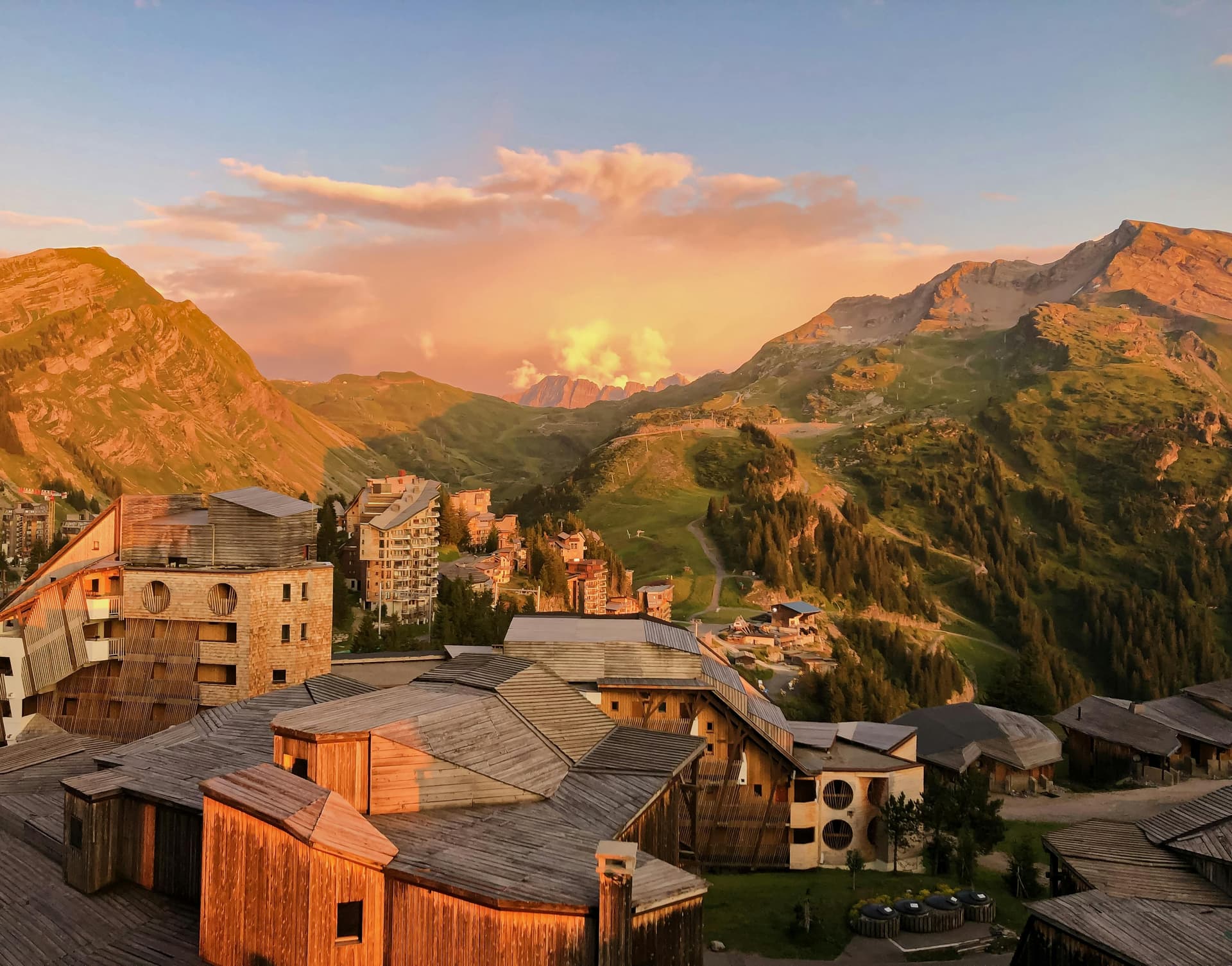
Avoriaz, France
A car-free mountain village perched above the clouds. Pure trails, pure air, pure views.
Explore Avoriaz
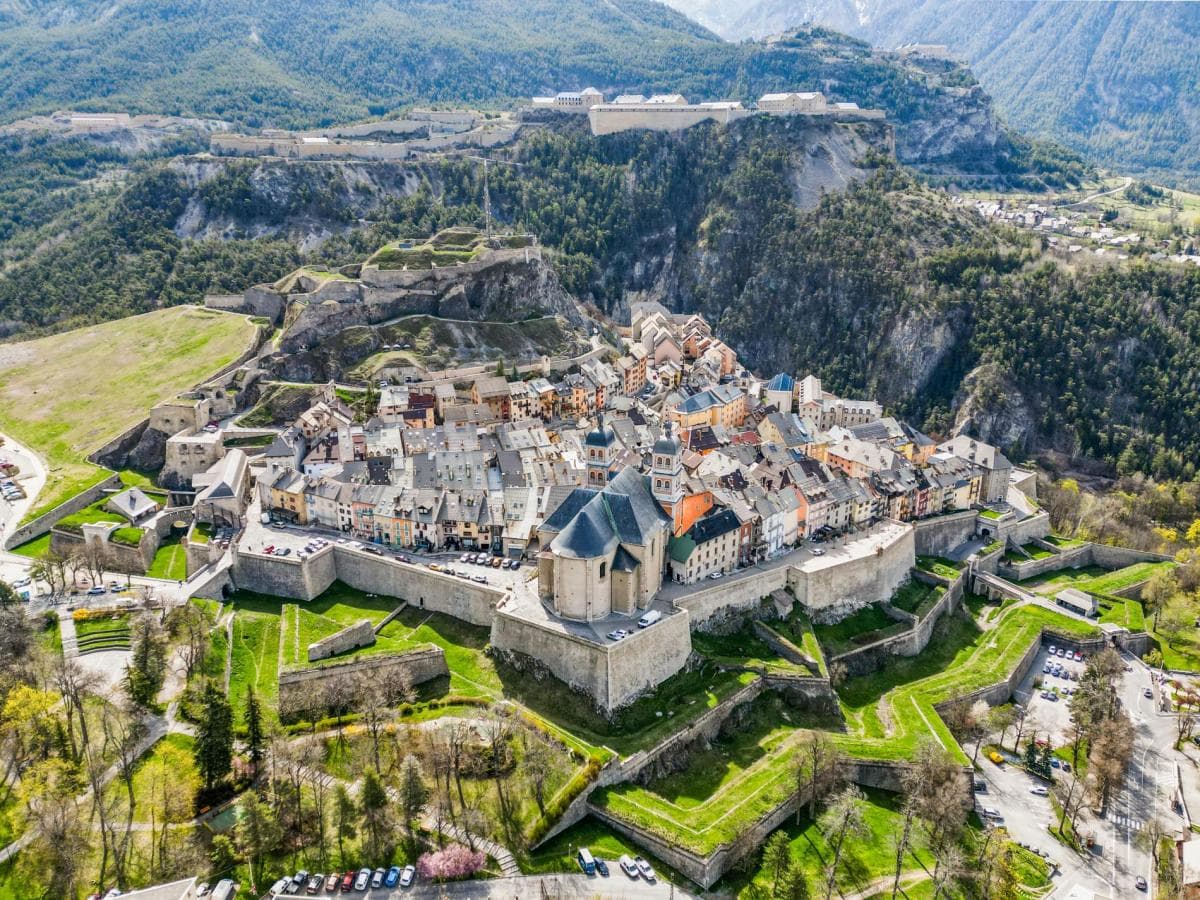
Briançon, France
A UNESCO World Heritage site and gateway to the Écrins National Park - the highest in Europe.
Explore Briançon

Chamonix, France
One of the world’s best walking destinations. Gentle valleys and high-alpine glaciers.
Explore Chamonix
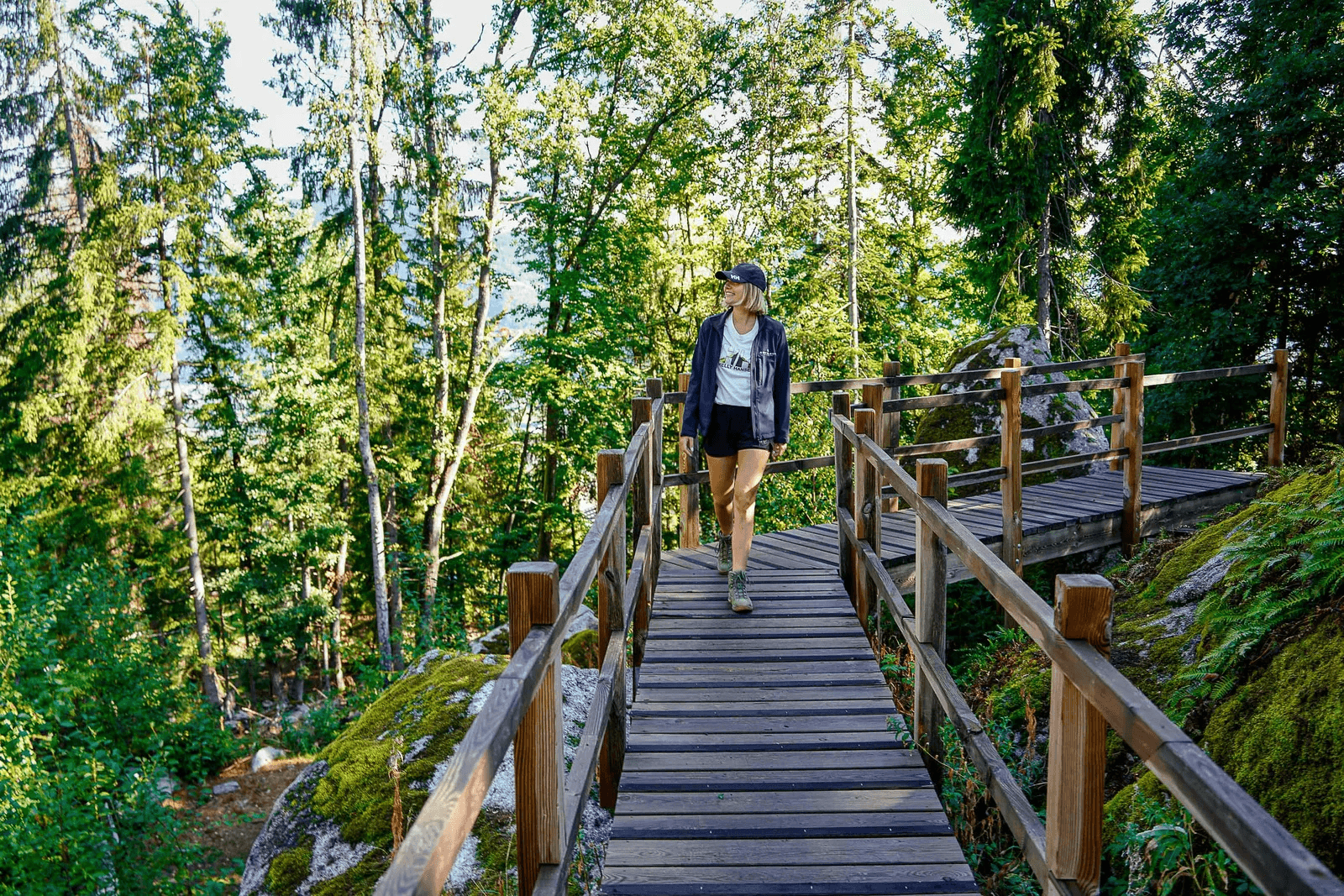
Combloux, France
Three lift-served sectors, 57+ marked routes, and a heritage food trail through alpine pastures.
Explore Combloux
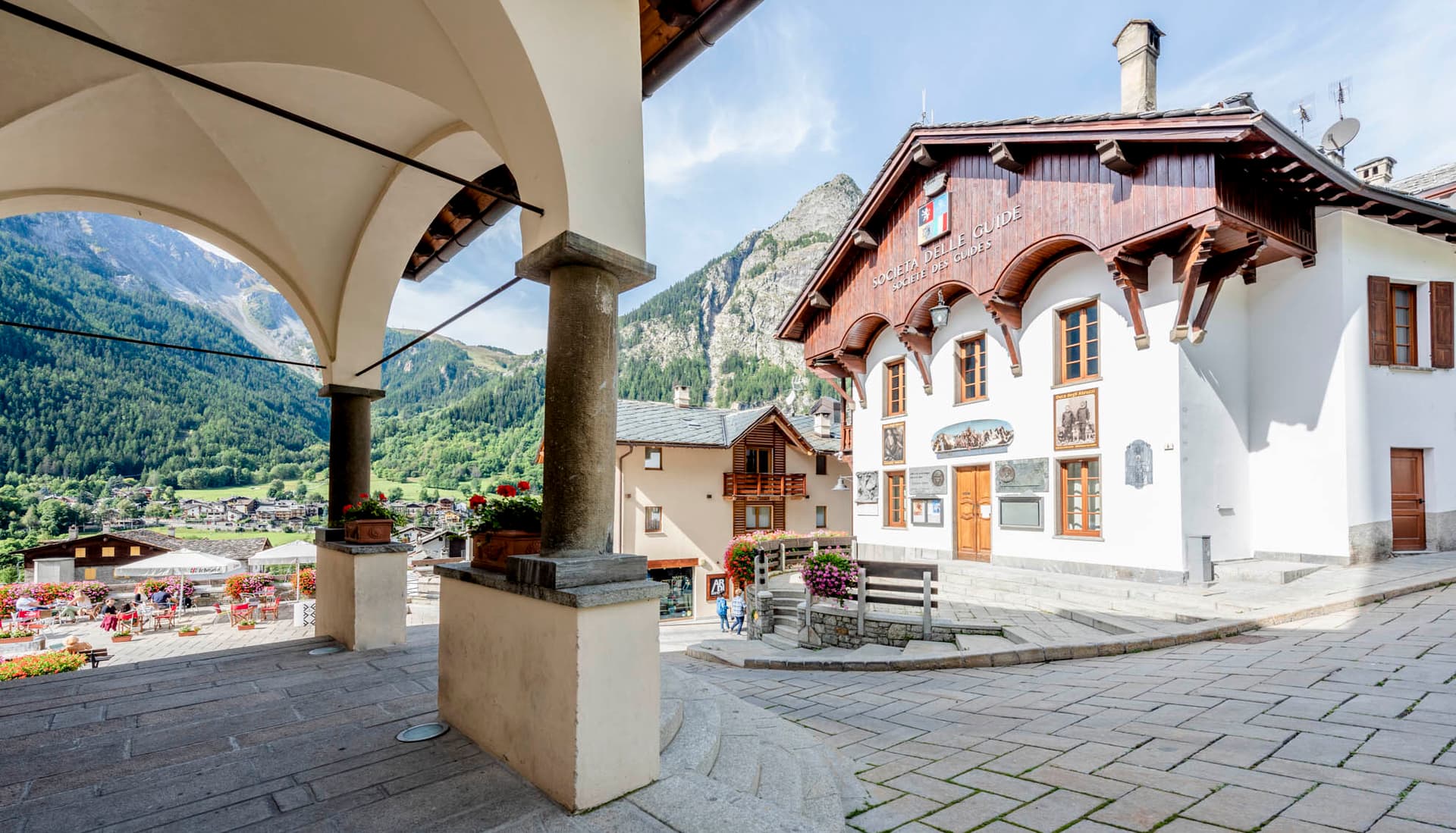
Courmayeur, Italy
The Italian soul of the Mont Blanc massif. Espresso, elegance, and extraordinary trails.
Explore Courmayeur

Ellmau, Austria
Nestled in the majestic Wilder Kaiser mountains. Enjoy trails for every age and pace.
Explore Ellmau
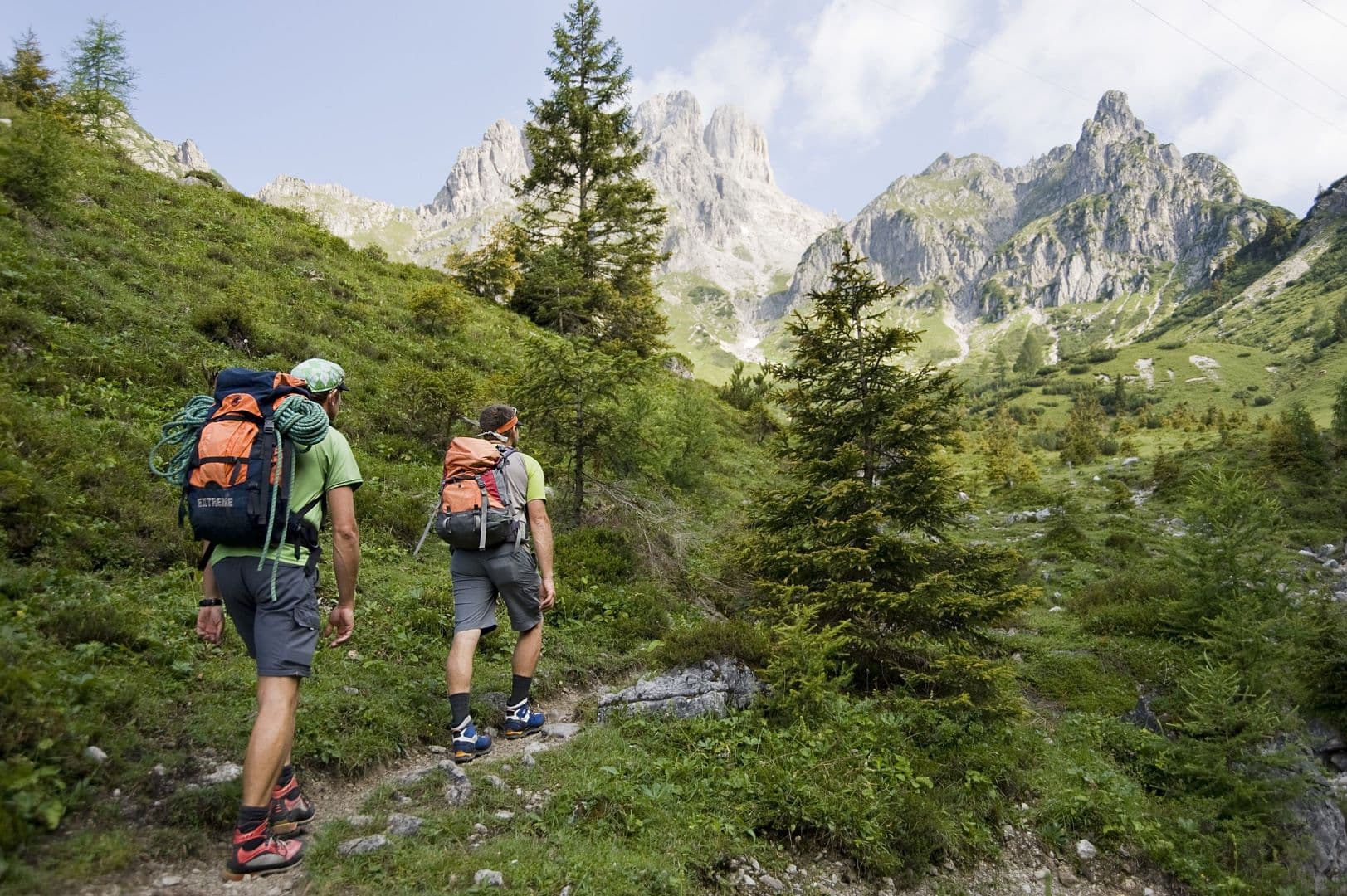
Filzmoos, Austria
Small mountain village. Big hiking heart. Expect rolling meadows, serious peaks, and zero crowds.
Explore Filzmoos
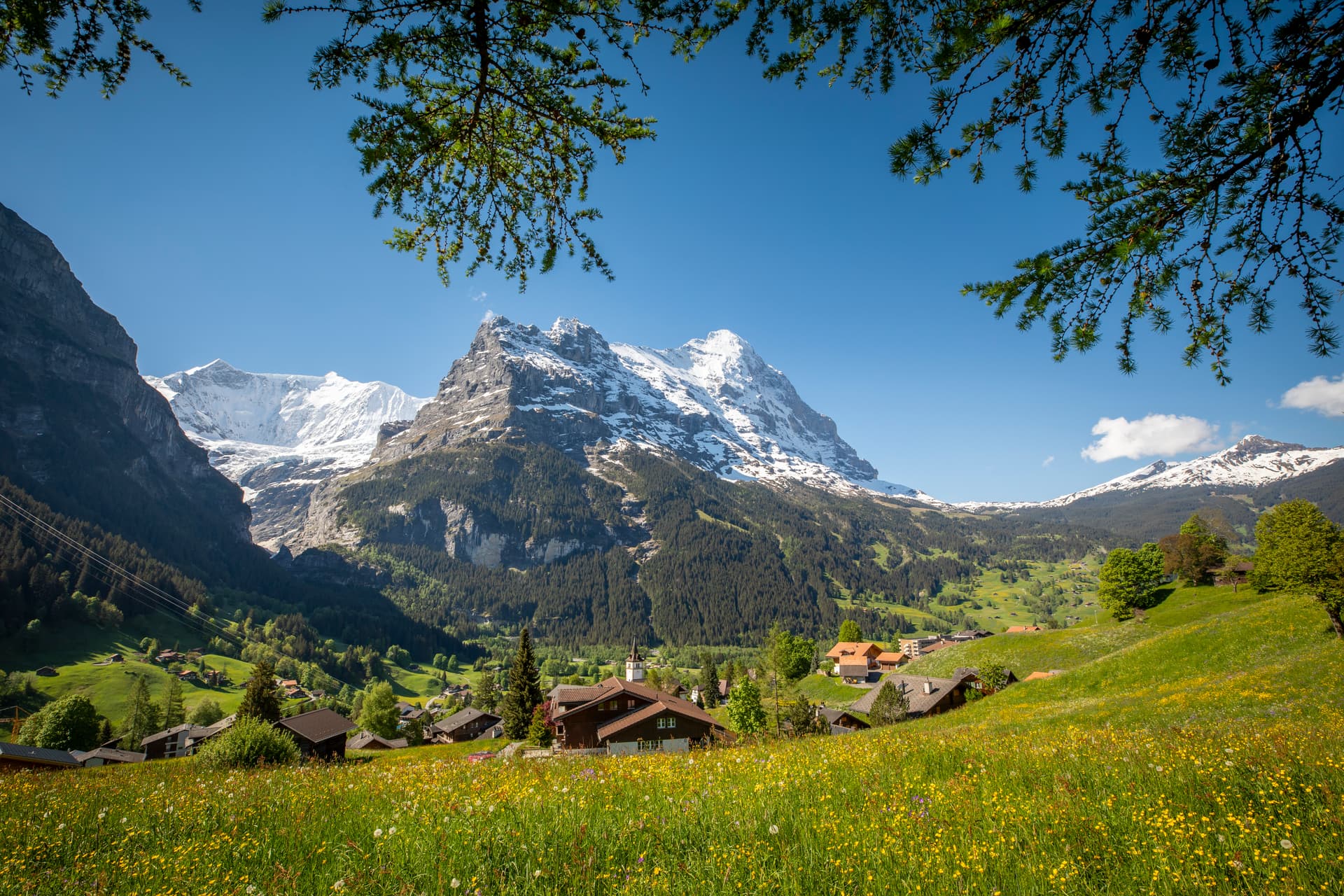
Grindelwald, Switzerland
Eiger North Face opposite. Top of Europe above. Switzerland's most dramatic hiking address.
Explore Grindelwald

Hinterglemm, Austria
Haven for happy hikers. Where world-class trails meet Austrian summer charm.
Explore Hinterglemm
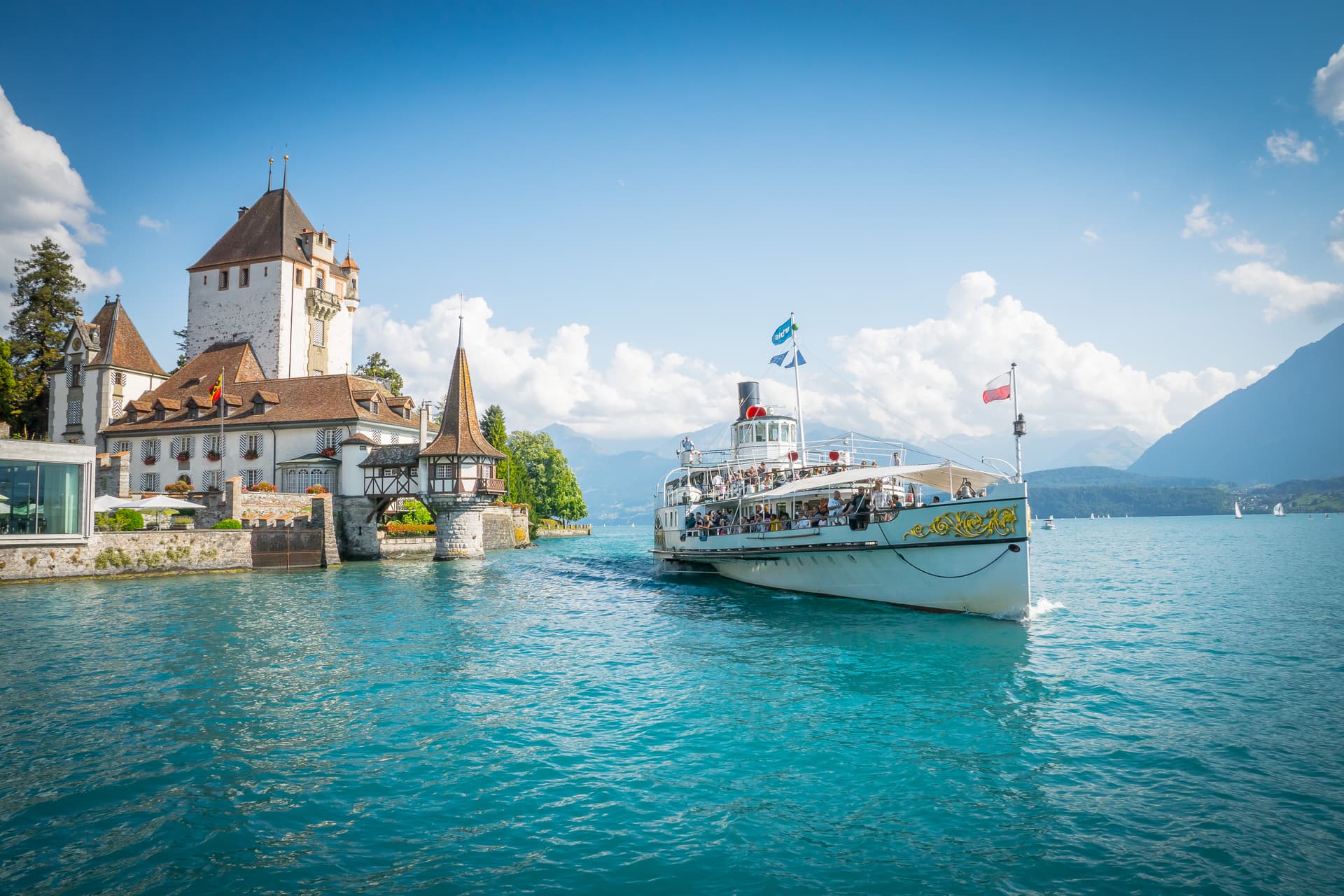
Interlaken, Switzerland
Two lakes, three legendary peaks, and over 70 waterfalls to explore.
Explore Interlaken
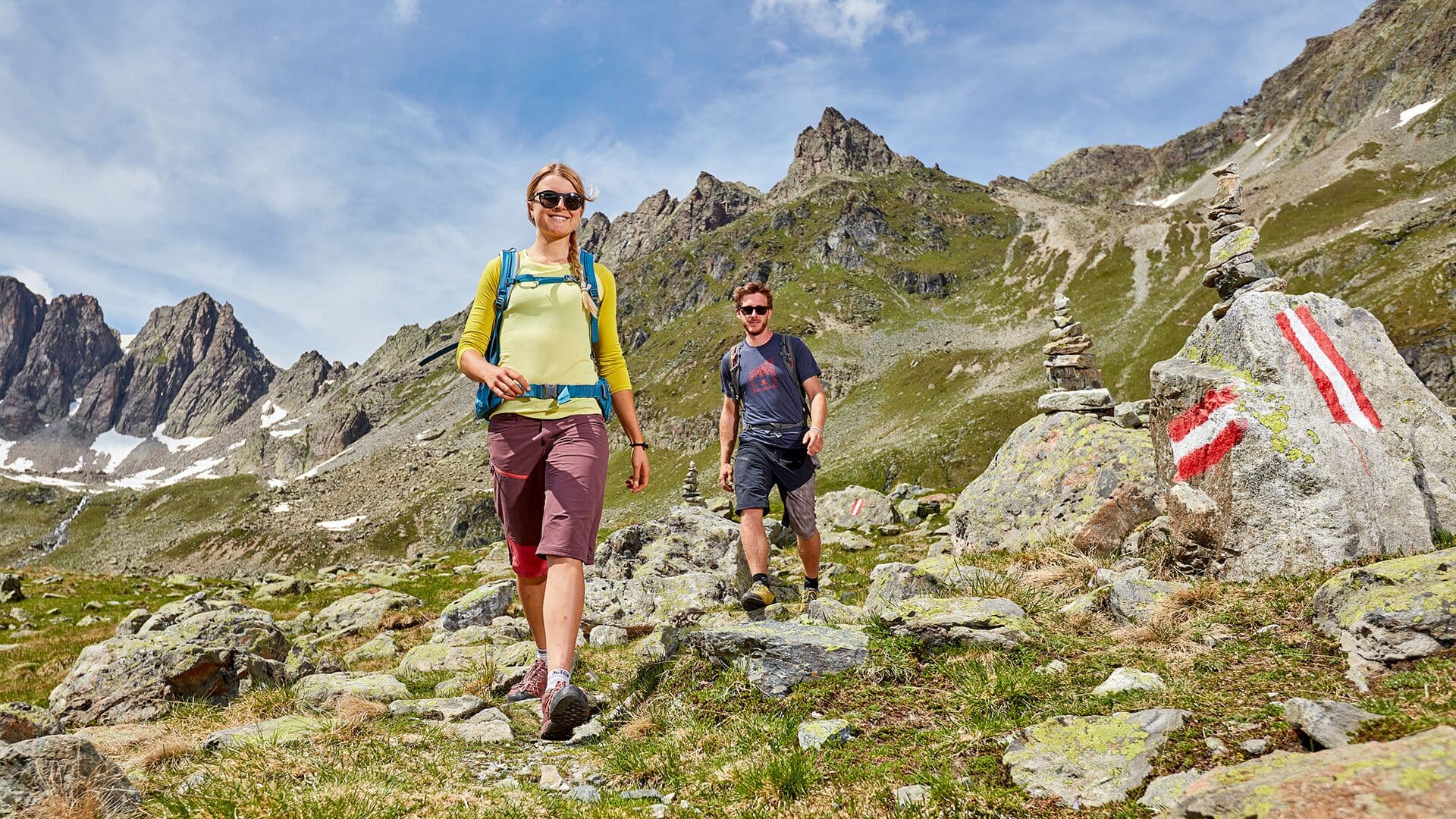
Ischgl, Austria
Silvretta trails, Swiss border crossings, and 18 huts to fuel the adventure.
Explore Ischgl
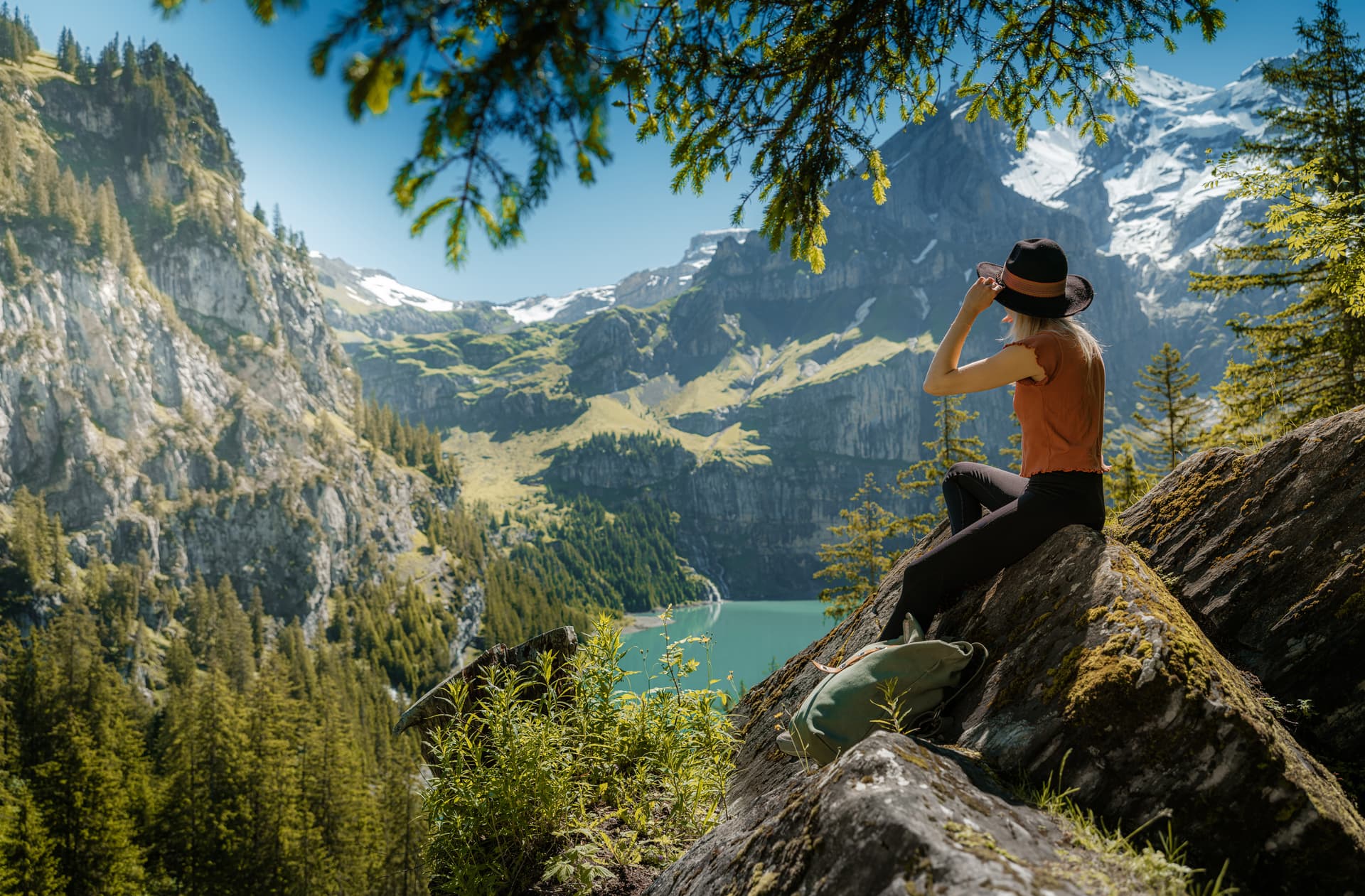
Kandersteg, Switzerland
A UNESCO glacial lake, a historic Alpine crossing, and a gorge full of waterfalls.
Explore Kandersteg

Kaprun, Austria
Set between glacier, mountain, and lake - this is a high-altitude haven for outdoor explorers.
Explore Kaprun
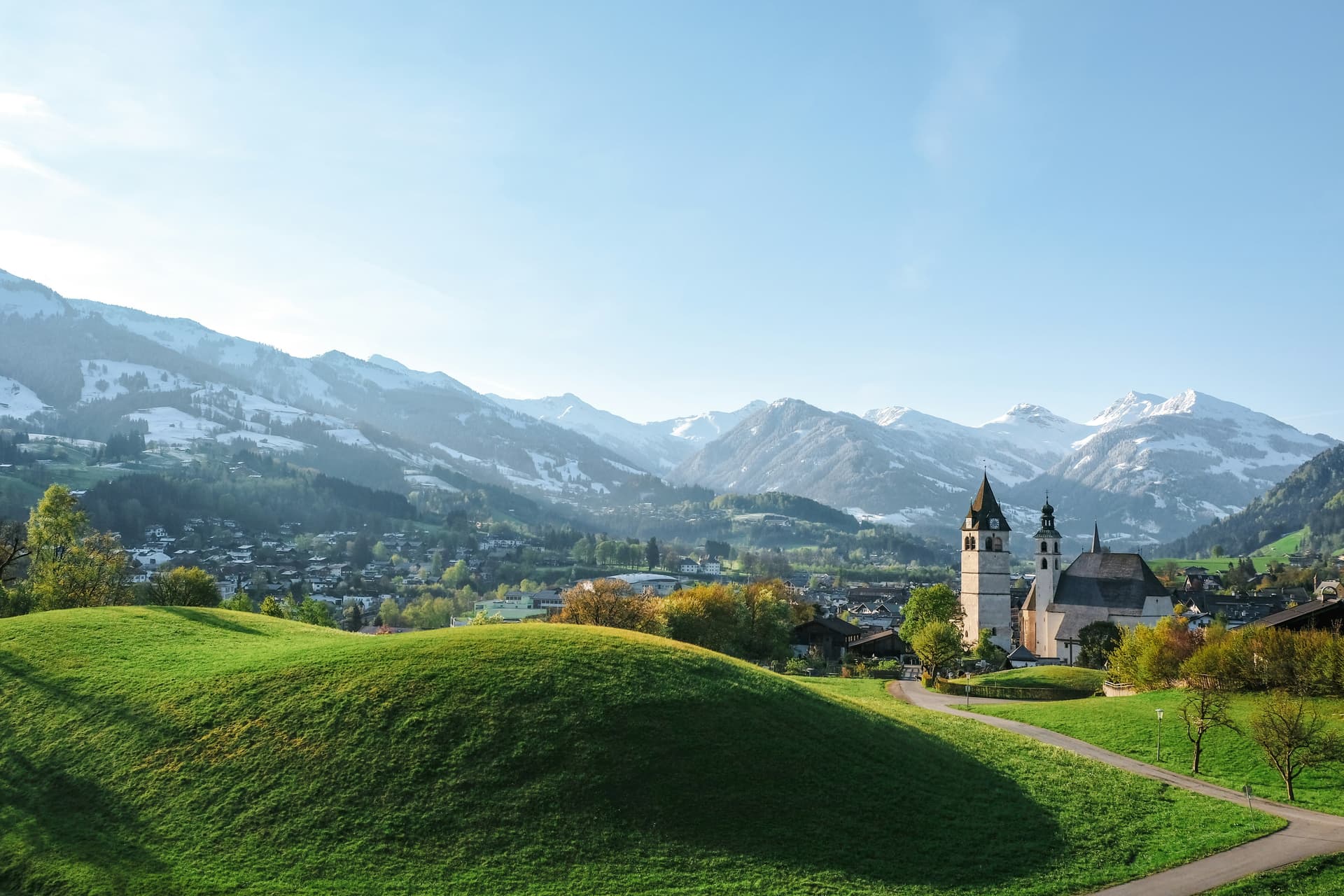
Kitzbühel, Austria
From high alpine ridges to valley-floor strolls. Pack your boots and your appetite.
Explore Kitzbühel

Klosters, Switzerland
700km of Davos-Klosters trails to meander, with the Rhaetian Railway to connect it all up.
Explore Klosters
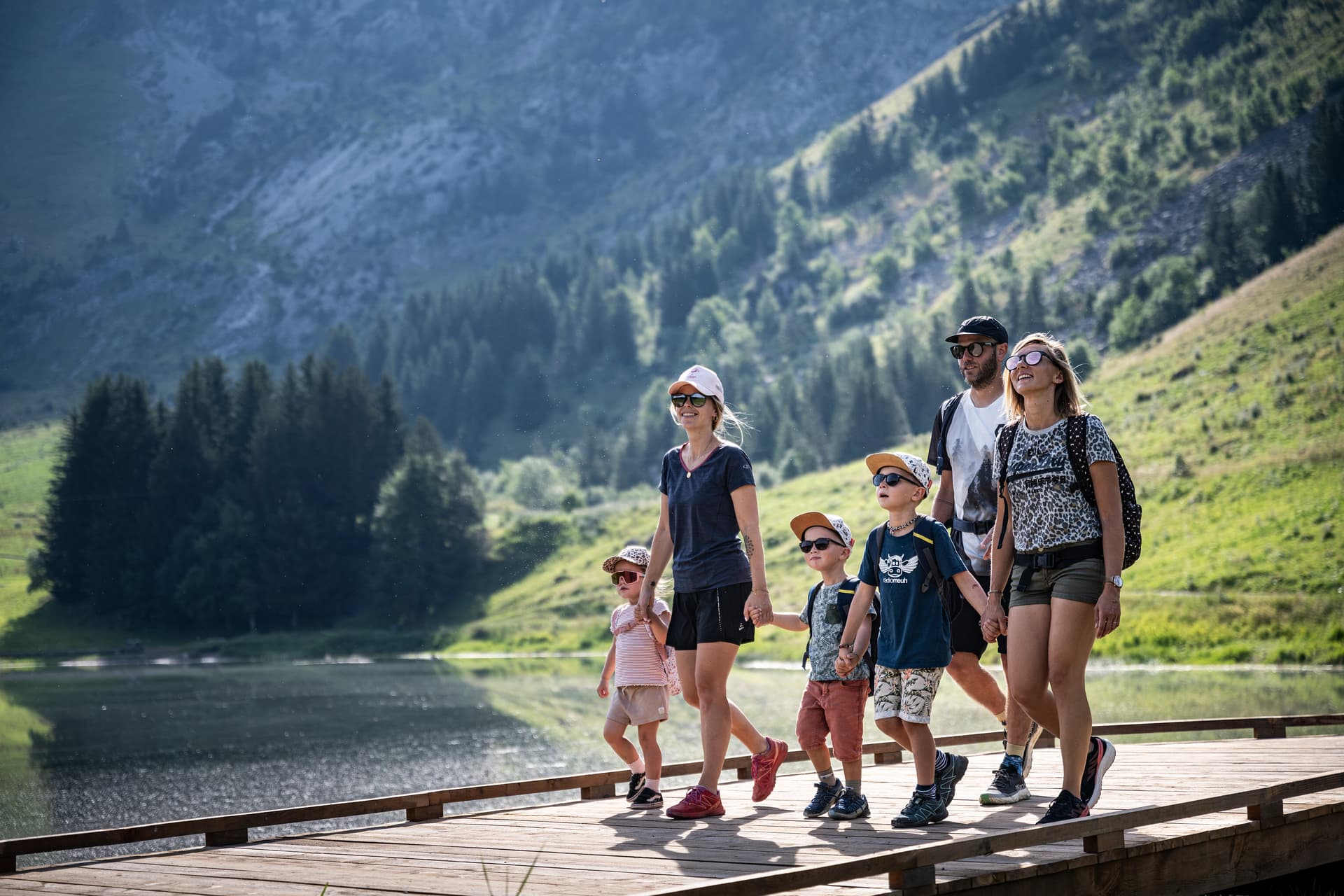
La Clusaz, France
Forests, alpine lakes, and high passes - with great food waiting at the end of every trail.
Explore La Clusaz

Lake Bled, Slovenia
Epic hikes, serene boat trips, ancient castle visits, and some truly legendary cream cake...
Explore Lake Bled
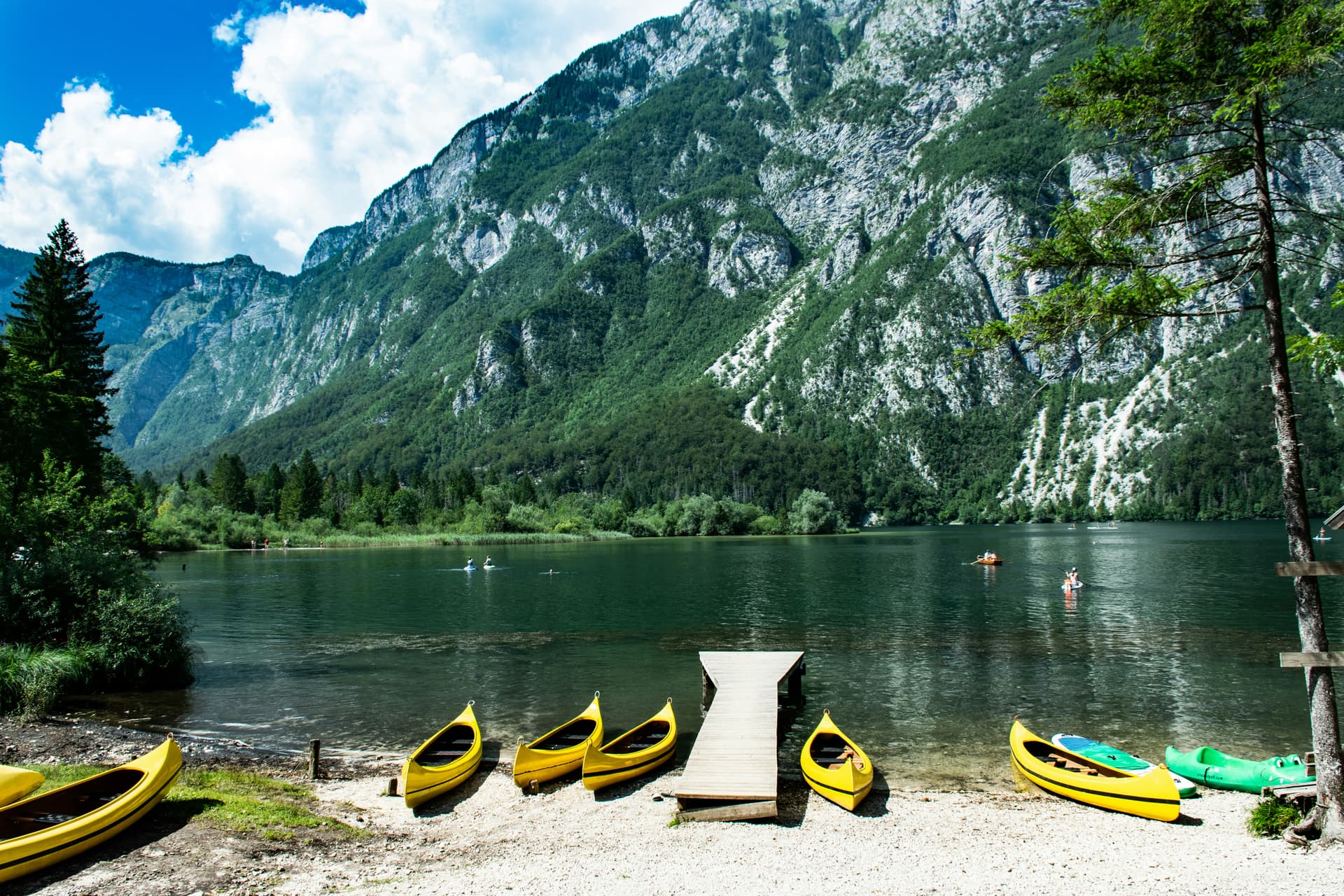
Lake Bohinj, Slovenia
Mountain swims, panoramic trails, and genuine solitude - this is off the beaten track exploring.
Explore Lake Bohinj

Lake Garda, Italy
Lake promenades, ancient olive groves, and limestone peaks - with plenty of post-hike dips.
Explore Lake Garda

Lech-Zürs, Austria
50km Arlberg trails and a 52km legendary route - this is where luxe meets wild, alpine terrain.
Explore Lech-Zürs

Le Grand-Bornand, France
Reblochon pastures, limestone peaks, and a 360° panorama that takes in five mountain ranges.
Explore Le Grand-Bornand
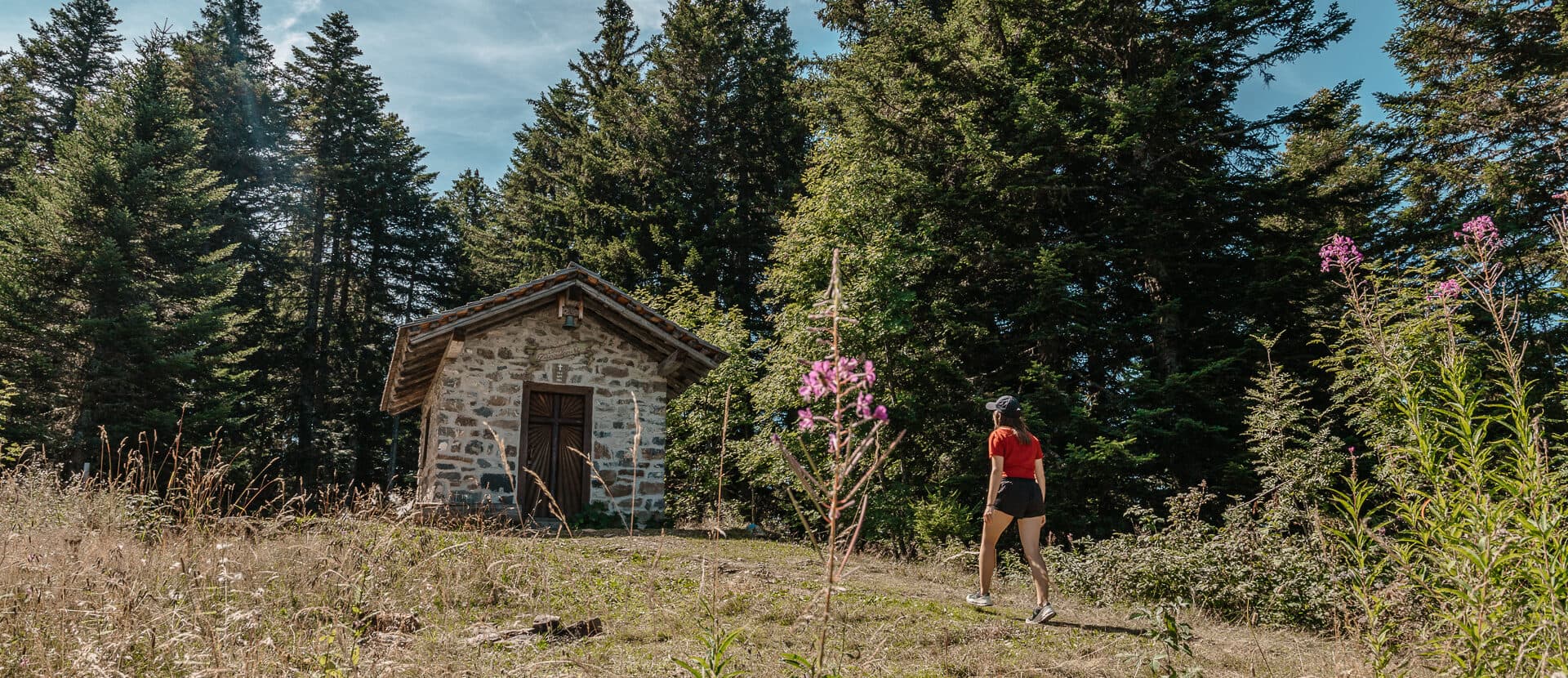
Les Gets, France
Rolling green ridges, wildflowers, and mountain air that will have you return year after year.
Explore Les Gets
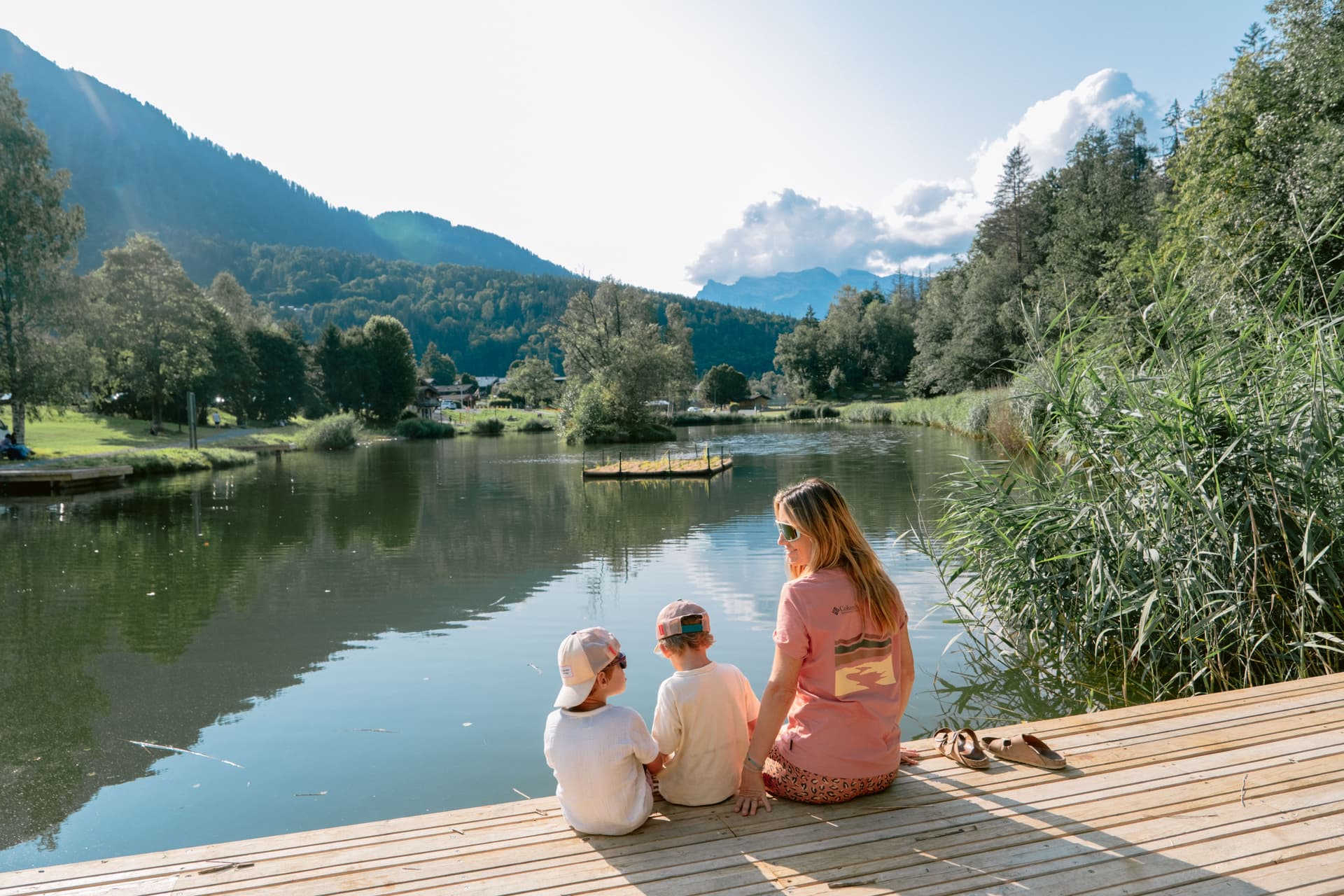
Les Houches, France
The quiet gateway to the Mont Blanc massif. World-class hiking without the Chamonix crowds.
Explore Les Houches
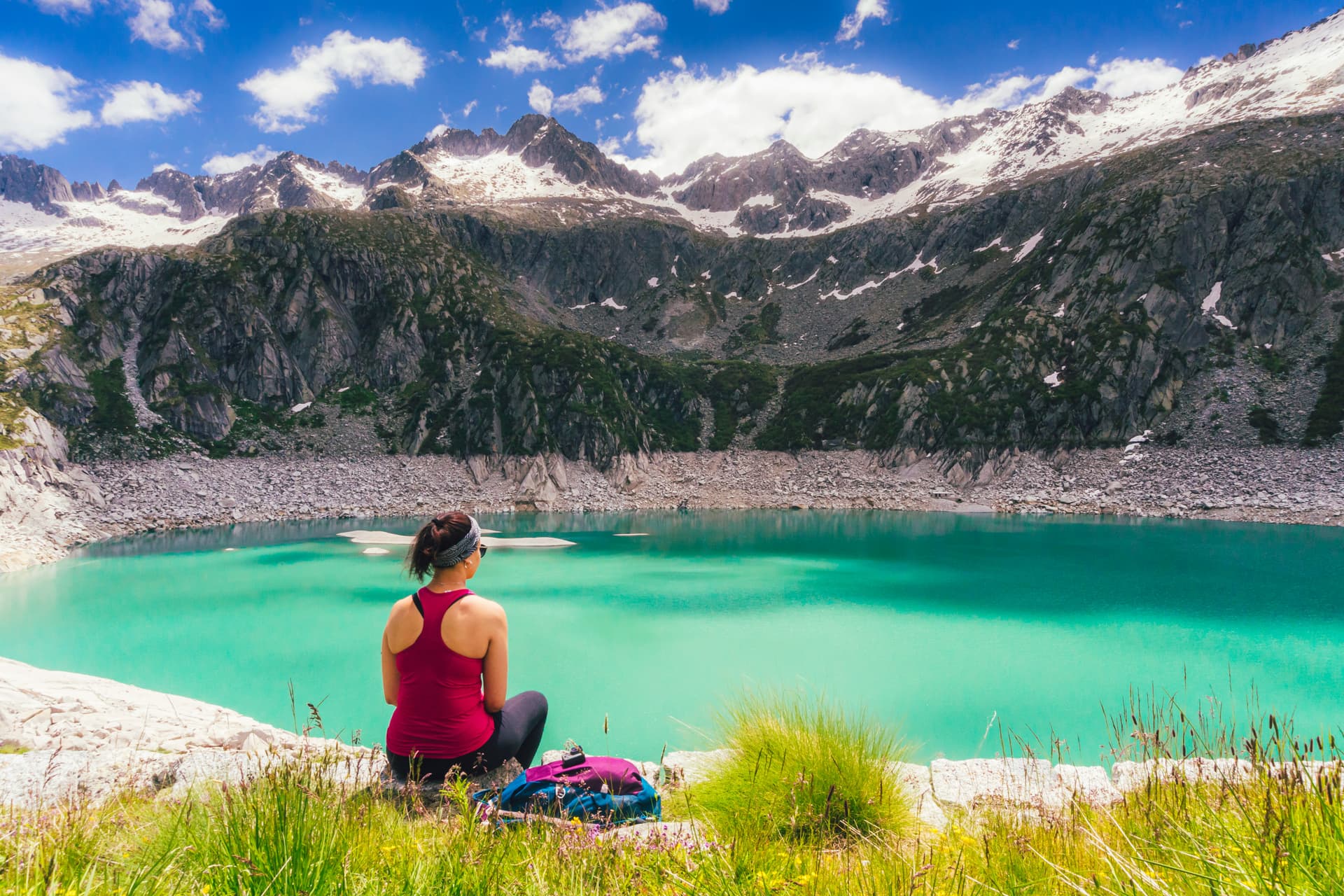
Madonna di Campiglio, Italy
Via ferratas, waterfall trails, and rifugi worth every uphill step.
Explore Madonna di Campiglio
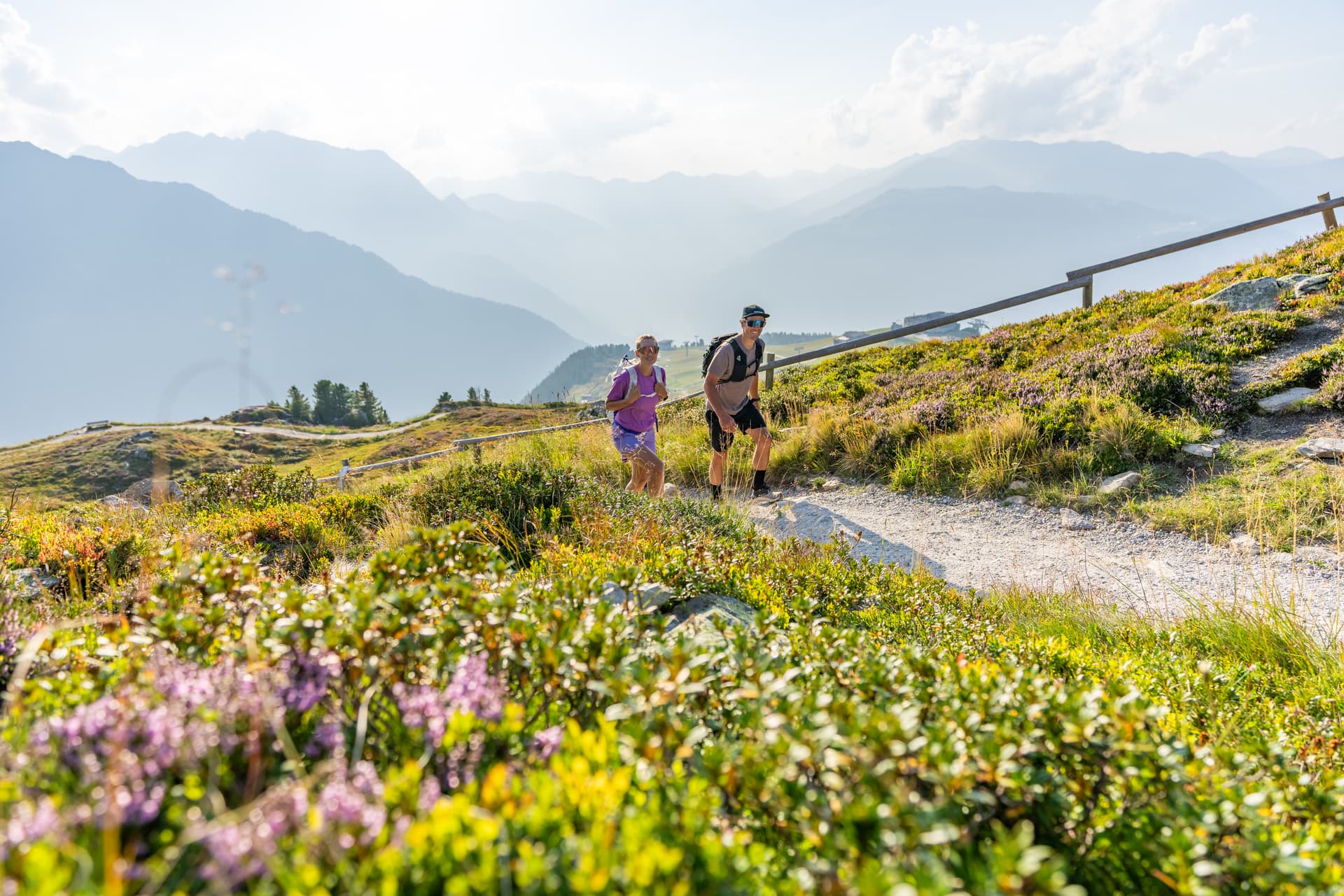
Mayrhofen, Austria
High-altitude hikes and scenic wildflower meadows in the Zillertal Valley.
Explore Mayrhofen

Megève, France
150km of trails across three sectors - and the Rando des Gourmets to fuel every step.
Explore Megève

Morzine, France
Looking for serious mountain energy? Best believe Morzine has you covered.
Explore Morzine
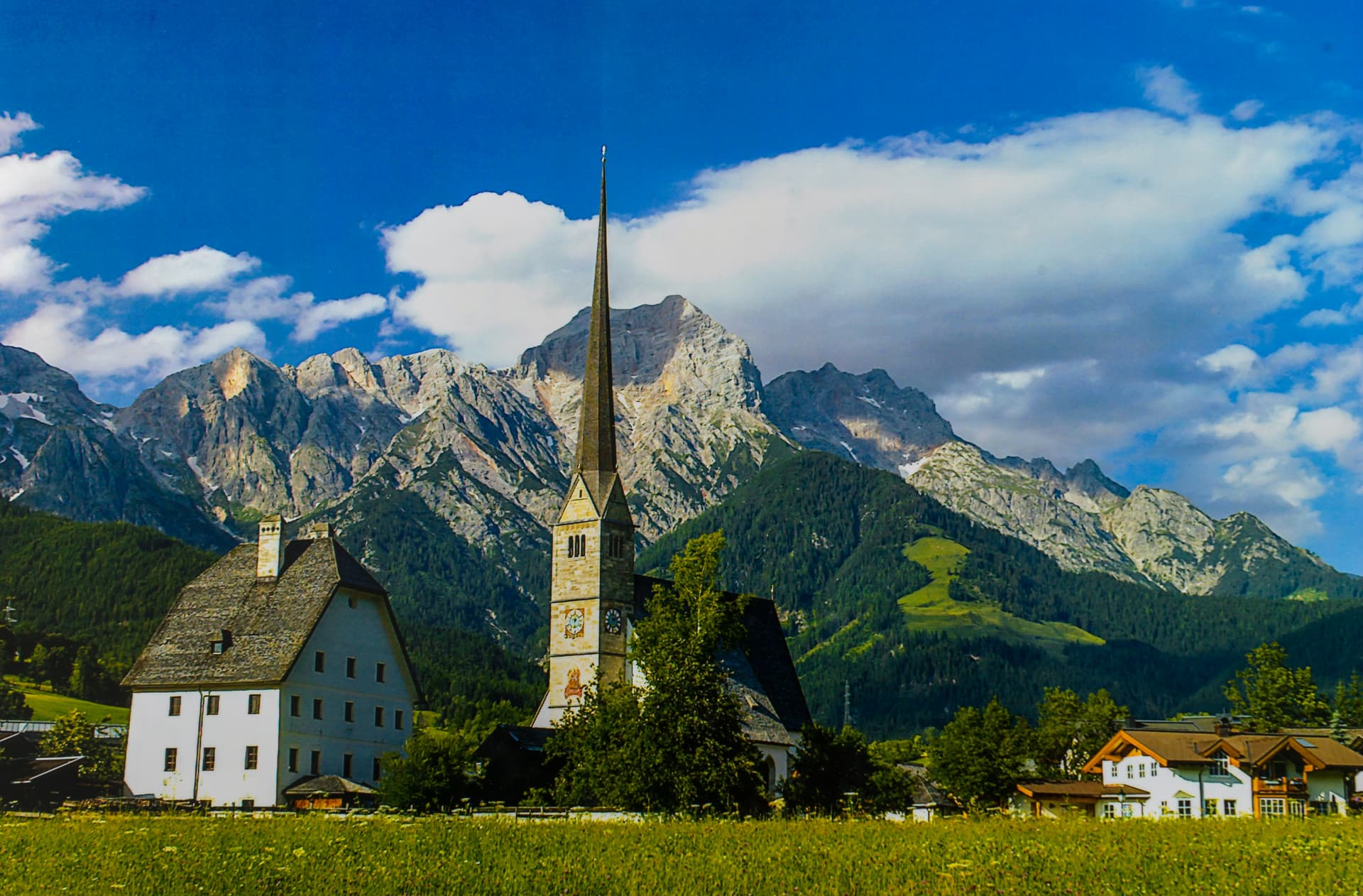
Maria Alm, Austria
Wide meadows, dramatic peaks, and paths that wind through the best of the Austrian Alps.
Explore Maria Alm

Niederau-Wildschönau, Austria
Nestled in the Wildschönau mountain valley. This is where rolling meadows meet rugged peaks.
Explore Niederau-Wildschönau

Pertisau, Austria
Top hikes, epic views, and crisp, fresh air - topped off with a dip in glittering turquoise waters. Bliss.
Explore Pertisau

Saalbach, Austria
Over 400km of hiking trails, including ziplines, treetop adventures & family fun.
Explore Saalbach
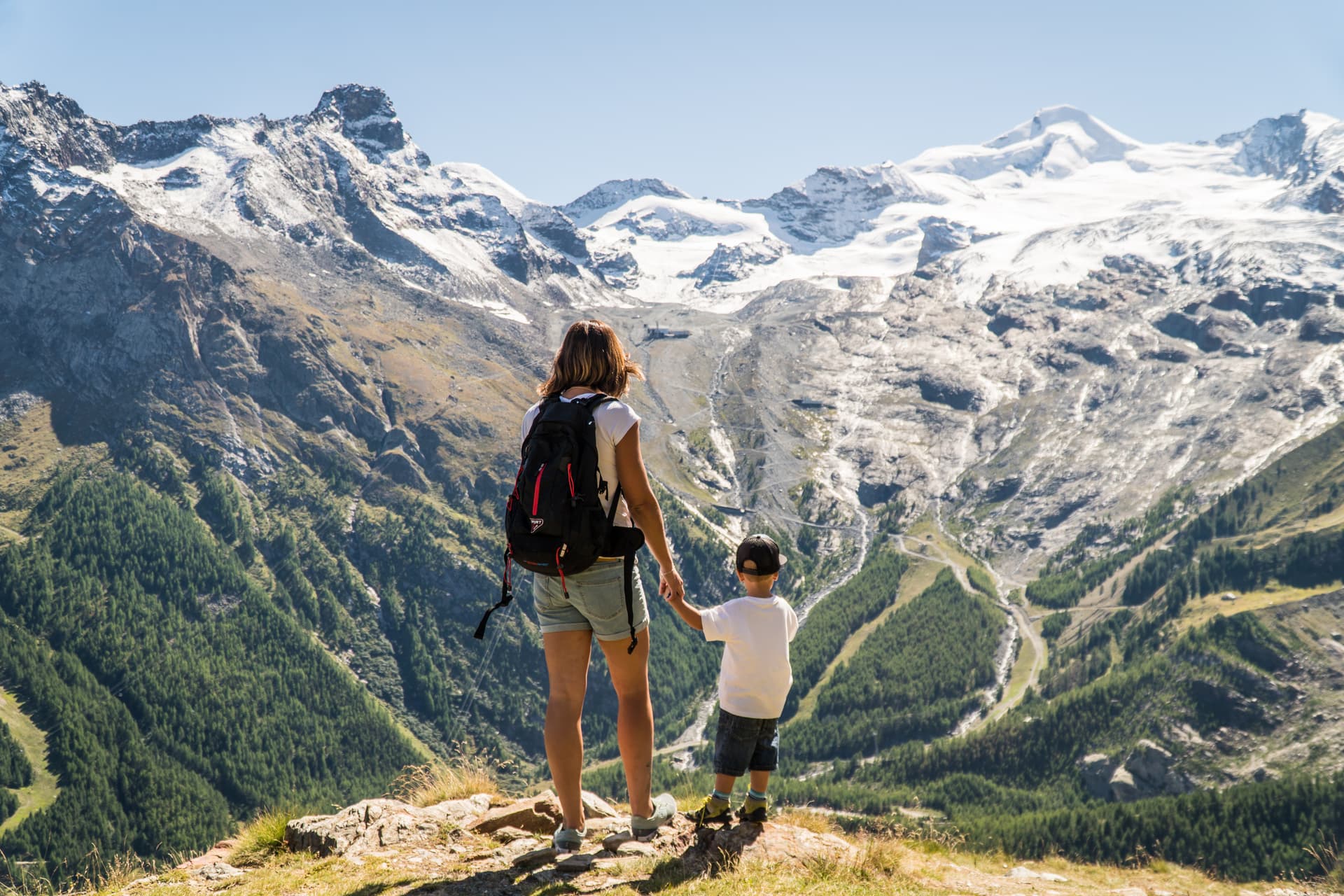
Saas-Fee, Switzerland
Over 350km of trails to explore, ringed by 18 four-thousander peaks.
Explore Saas-Fee
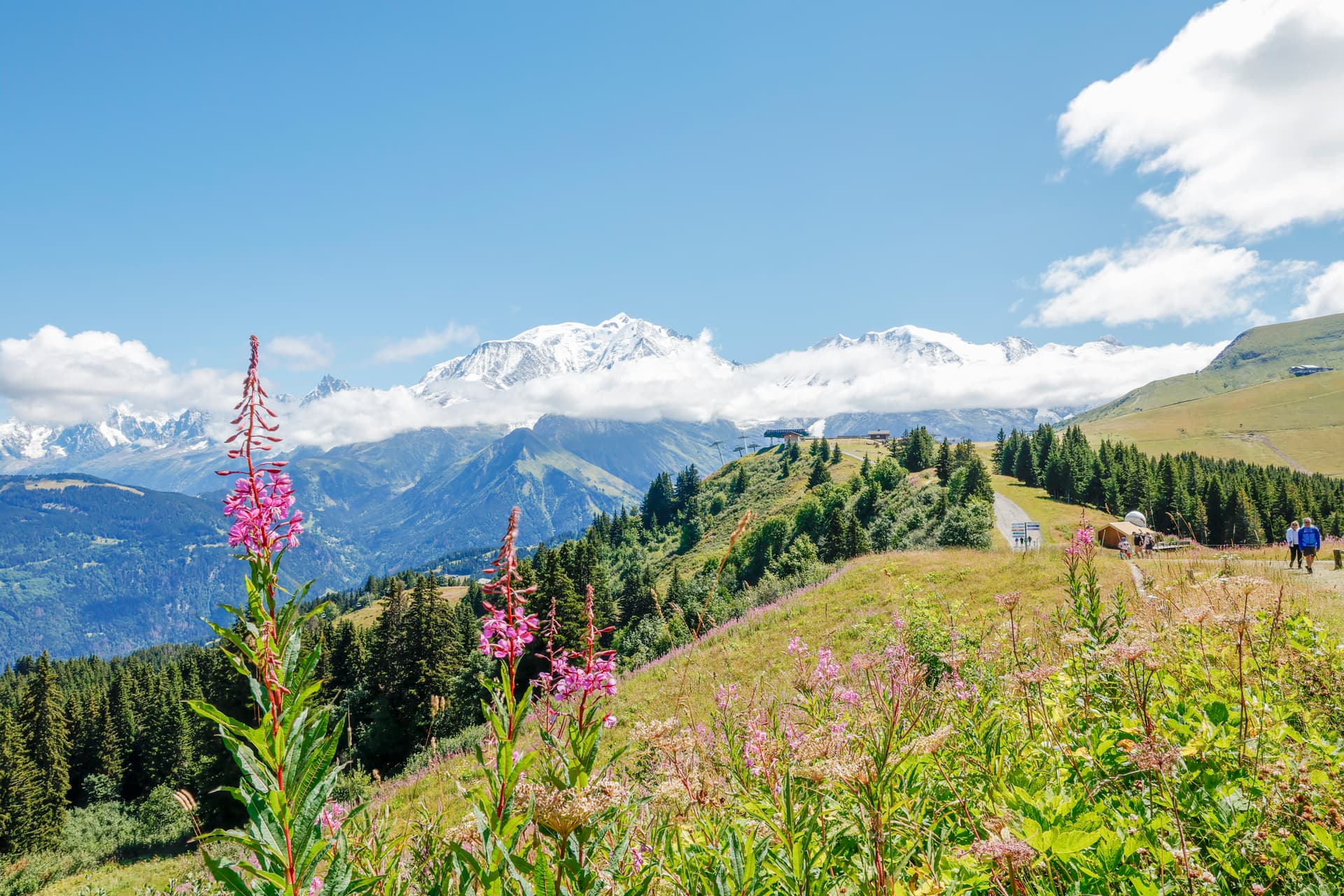
Saint Gervais, France
Ancient spas, dramatic glaciers, and trails that take you to the edge of the Mont Blanc massif.
Explore Saint Gervais
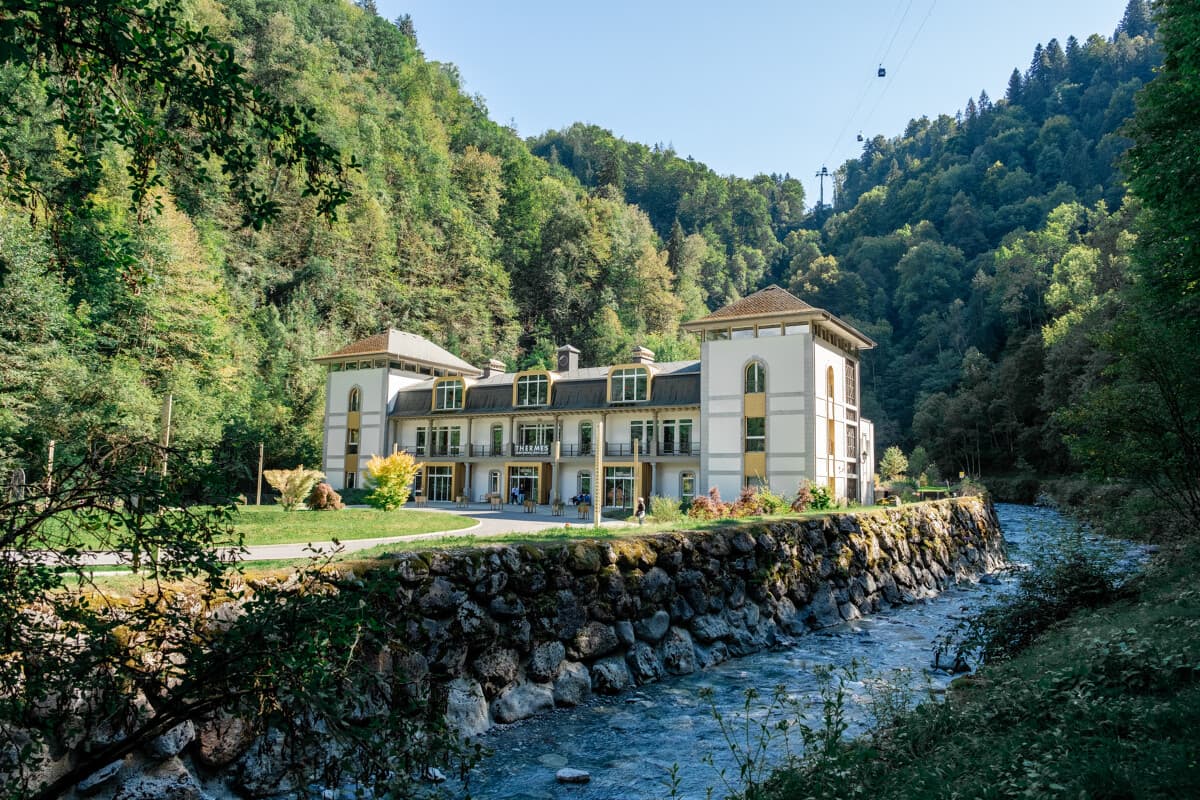
Saint Gervais - Le Fayet, France
Gateway to the Mont Blanc Express and some of the finest high-mountain trails in the French Alps.
Explore Saint Gervais - Le Fayet
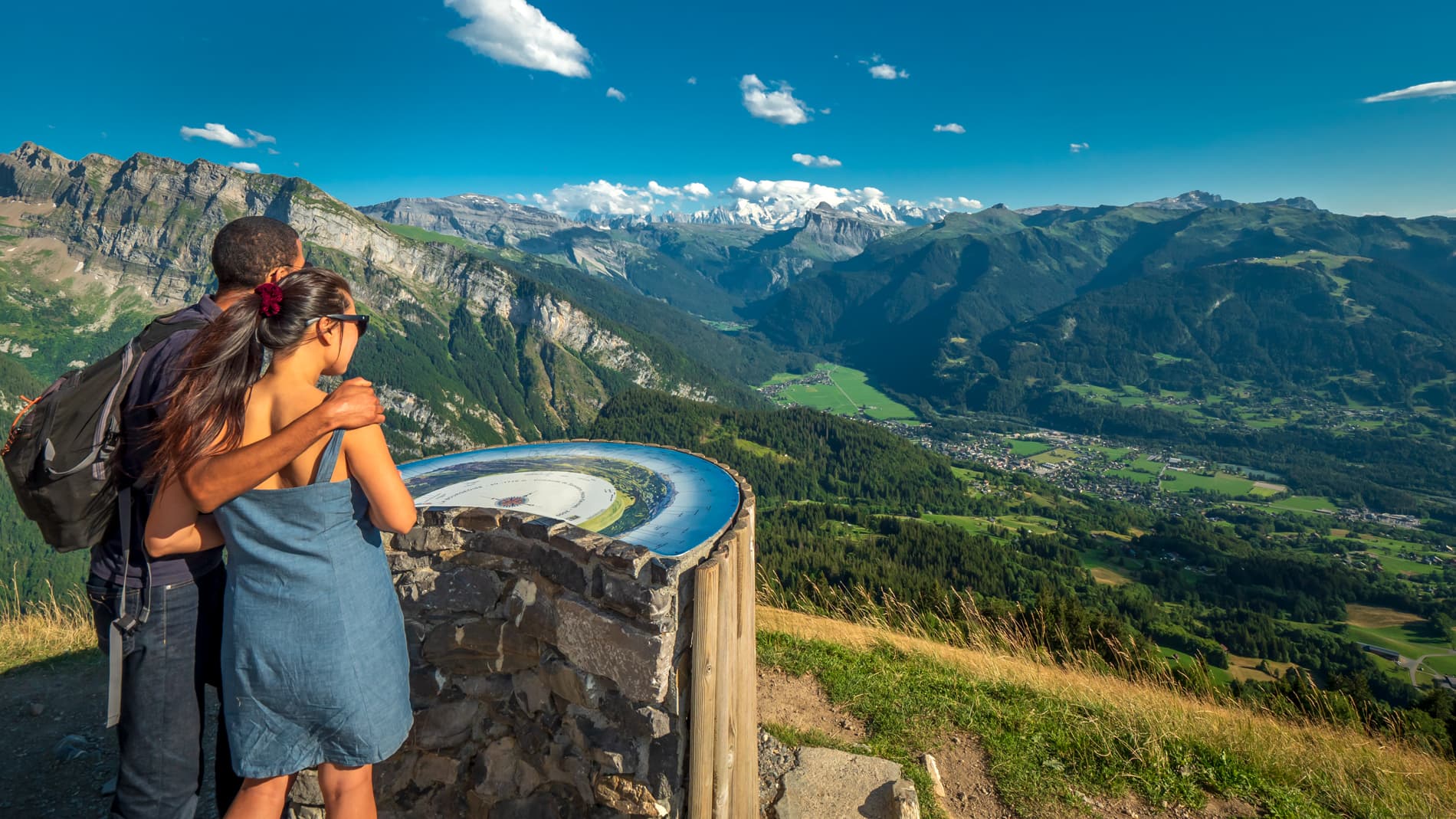
Samoëns, France
265km of Haute-Savoie trails, a spectacular Alpine cirque, and lake swimming for afters.
Explore Samoëns

Seefeld, Austria
Paradise for picnic pros and mountain mooch around-ers, with 650km of trails.
Explore Seefeld

Söll, Austria
Postcard-worthy mountain vistas await on the sunny side of Austria's Wilder Kaiser mountains.
Explore Söll

St. Anton, Austria
Lace up your boots to crunch up glacier-capped summits at this full-blown alpine playground.
Explore St. Anton

St Johann in Tirol, Austria
Swap flipflops for hiking boots with riverside rambles and outdoor adventures for all ages.
Explore St Johann in Tirol

Stubaital, Austria
Summit peaks, wander wildflower trails, or try some via ferrata in this sunny alpine playground.
Explore Stubaital
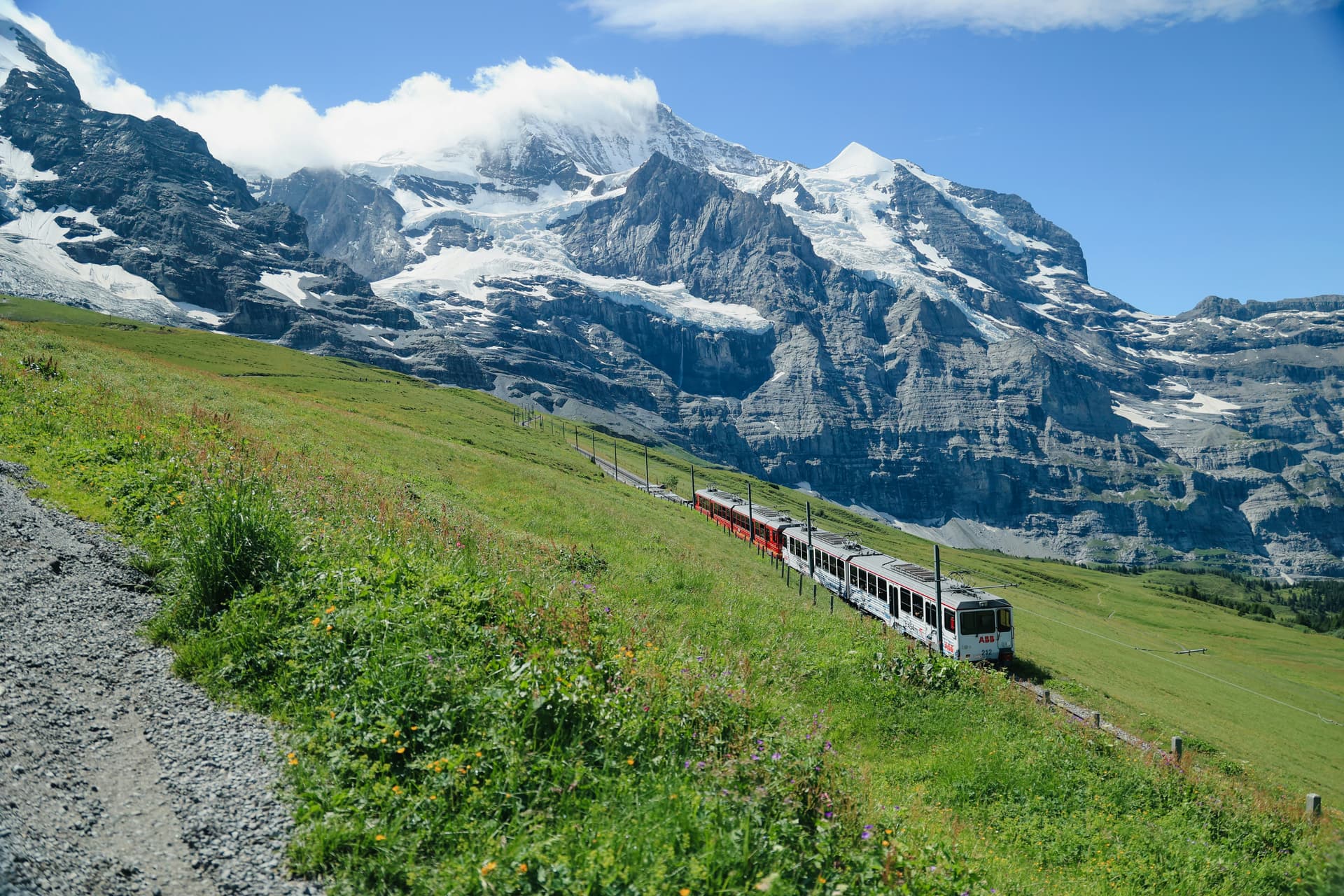
Wengen, Switzerland
Car-free and directly opposite the Eiger, Mönch, and Jungfrau. The views here never get old.
Explore Wengen

Zell am See, Austria
The spot for families, leisurely strollers, and avid hikers. All set against the sparkling Lake Zell.
Explore Zell am See
See our reviews
Hiking & Walking holidays in the Alps
Your questions answered by our Alps walking holiday expert

What month is best to book a walking or hiking holiday in the Alps?
Planning a walking holiday in the Alps? The perfect time to visit depends on your adventure style. Craving sunshine, lakeside fun, and days that seem to stretch forever? Late June, July, and August bring the hottest weather, making them ideal for family strolls, splashing in the lido, and endless ice cream stops en-route.
Prefer your walks with a side of peace and quiet? Head to the Alps in late spring or autumn! May, early June, September, and October serve up pleasant weather, but with far fewer fellow explorers on the tracks. You’ll enjoy emptier trails and friendlier prices on hotels and flights - a double win for savvy mountain adventurers!
Which part of the Alps is best for a walking holiday?
- The Austrian Tyrol - the Zillertal, Stubaital, Wilder Kaiser, and Saalbach area - offers the best value for money in the Alps and one of the densest hut networks anywhere.
- The French Alps deliver the most dramatic high-altitude terrain: Chamonix and the Mont Blanc massif for serious mountain walking, Morzine and the Portes du Soleil for more accessible summer trails.
- Slovenia’s Julian Alps offer alpine grandeur and jaw-dropping lake views with significantly lower prices than any other Alpine nation.
Is a self-guided or guided walking holiday better in the Alps?
Self-guided is the most popular choice for Alps walking and works particularly well in Austria, Italy, and France, where trail marking is exceptional and self-guided operators have refined their itineraries over decades. The Tour du Mont Blanc and Austria’s Pinzgauer Promenade are among Europe’s most polished self-guided experiences.
Guided suits those who want to try via ferrata, glaciated routes around Mont Blanc, or the Triglav summit in Slovenia, all of which benefit from having a certified mountain guide.
Can I hire a mountain guide on my Alps walking holiday?
Yes, you can. Guided walking or hiking tours are available at most resorts across the Alps.
Though these are not currently bookable via the Heidi website, you can enquire and book with your resort's local tourist office upon arrival, or visit their website. What's more, you can even get discounts when using your free Summer Card*. We recommend booking early to ensure availability.
* Summer Card included for free with stays at select hotels and accommodations.
How do I get to the starting point of walks and hikes?
Most resorts have a great network of local buses and trains that can link you up to the starting point of hikes and trails as well as neighbouring resorts, giving you plenty to explore with ease.
We recommend checking out maps and timetables for bus and train routes with the resort’s local tourist office or on their website.
How difficult are the walking trails in the Alps?
Trail difficulty grading varies by country across the Alps but follows broadly similar colour systems:
- Austria and Switzerland use the SAC/ÖAV colour system (blue/white for easy, red for intermediate, black for difficult)
- France uses green, blue, red, and black.
- Italy uses the CAI numerical system.
All mark trails with colour-coded waypoints and junction signs showing destination, difficulty, altitude, and estimated time.
What are the most iconic walks and trails in the Alps?
- The Tour du Mont Blanc is the Alps’ most famous long-distance route: 170km circumnavigating Western Europe’s highest peak across France, Italy, and Switzerland, typically in 10–12 days.
- Austria’s Adlerweg (Eagle Walk) traverses all of Tyrol in 33 stages along 413km of marked trail.
- The Stubai Rucksack Route is a 79km hut-to-hut circuit around the Stubai glacier with 6,000m of total ascent.
- The Tre Cime di Lavaredo loop is the single most photographed walk in the entire Alpine region.
Can I still access lift and gondolas in the summer?
Yes, you can. Lifts and gondolas still operate throughout the summer months, provided conditions are safe and favourable, and many of the mountain bars and eateries you’d find on a skiing holiday still operate during these warmer months.
Even better, with your free Summer Card*, you can get great discounts and even free access to many of these lifts and gondola routes.
* Summer Card included for free with stays at select hotels and accommodations.
Are walking holidays in the Alps good for beginners?
The Alps are an excellent choice for a beginner walking holiday. Across virtually every Alpine country, gondola networks do the elevation work for you, removing the hardest ascents and making high viewpoints accessible to all.
Austria’s ÖAV blue-graded trails, France’s green PR routes, and Slovenia’s valley circuits around Lake Bled are all well-maintained and clearly marked. The range of easy, accessible day walks in the Alps is enormous - think flat lake-side trails, gentle ridge meadows, and village-to-village routes through Alpine pastures. The key is choosing the right region and the right grade for you.
Are walking holidays in the Alps good for family trips?
The Alps are one of the world’s best family walking destinations.
- Gondola networks in the Austrian, French, Slovenian and Italian Alps put dramatic mountain scenery within reach of young children and older walkers alike.
- Summer Cards* in resorts typically cover and discount cable cars, local buses, swimming pools, museums, and other activities.
- Lakes in Austria (Zell am See, Reither See), Slovenia (Bled, Bohinj), and France (Morzine’s area) add a post-hike swim to the daily routine.
- Many resorts run dedicated summer kids’ activity programmes, and can include playgrounds, alpine coasters, and more.
The Alps offer enough variety that a family can find something different to do every day of the week.
* Summer Card included for free with stays at select hotels and accommodations.
What are the best walks for advanced hikers in the Alps?
The Alps are outstanding for experienced hikers and arguably the best mountain range in the world for serious high-alpine walking.
- Austria’s Stubai Rucksack Route involves nearly 6,000m of ascent.
- France’s Tour du Mont Blanc adds a further 10,000m over 170km.
- Via ferrata routes across Austria, Italy, and France range from introductory to technically demanding.
- France’s GR10 across the Pyrenees (adjacent range) is a multi-week commitment for experienced walkers.
- For genuine high-altitude glaciated terrain, French routes above 3,000m require mountaineering kit and confidence.
What's included with my Summer Card?
What's a Summer Card? Glad you asked!
Complimentary with most hotel stays, this little pass helps you get more mountain for your money. It includes lift rides, lake and lido swimming, bike rentals, local transportation, guided walks, cycle tours, and much more.
Some activities are free with the card; others are discounted—it depends on the resort. Keep an eye out for the Summer Card symbol to see which hotels offer it and what benefits you can receive.

All flight-inclusive holidays sold on Heidi are fully financially protected under the ATOL scheme (ATOL 11456)