Walking Holidays in the Dolomites
With Heidi

Why choose a Dolomites hiking holiday?
- 1,000s of km of marked hiking trails
- From gentle hikes to heart-pumping via ferrata
- Eight world-class resorts, one spectacular mountain range
This year, lose yourself in the jaw-dropping limestone towers, wildflower meadows and rifugios of a hiking holidays in the Italian Dolomites.
Whatever you choose to do on your Dolomites walking holiday is entirely up to you; clip into one of over 80 via ferrata with sheer drops and even sharper views. Wander the flower-filled Armentara meadows of Alta Badia as cowbells echo across the valley. Or watch the Dolomites glow fiery pink at sunset — a phenomenon locals call “Enrosadira” — then reward yourself with a well-earned heaping bowl of Pizzoccheri della Valtellina after.
Whatever you seek, the Dolomites deliver. Heidi just helps get you there.

How to get around on your trip
How our self-guided Dolomites walking holidays work:
Our self-guided trips let you set your own pace, from the length of your stay, to how far you walk each day. But if you’re used to group or guided holidays, you might be wondering how you’ll get around? Well, it’s easy…
Getting to resort from the airport:
You can leave this bit to us. When booking, choose either a shared or private transfer and you’ll be whisked from the airport to your resort.
Getting to your walks and hikes:
Most gondolas that work all winter for ski holidays, work all summer too, often well into autumn. So unless you want to, you don’t need to start your walks from the mountain base, you can easily catch a lift to the trailhead.
Why book a mountain holiday with Heidi?
Choose your Dolomites adventure
Alta Badia
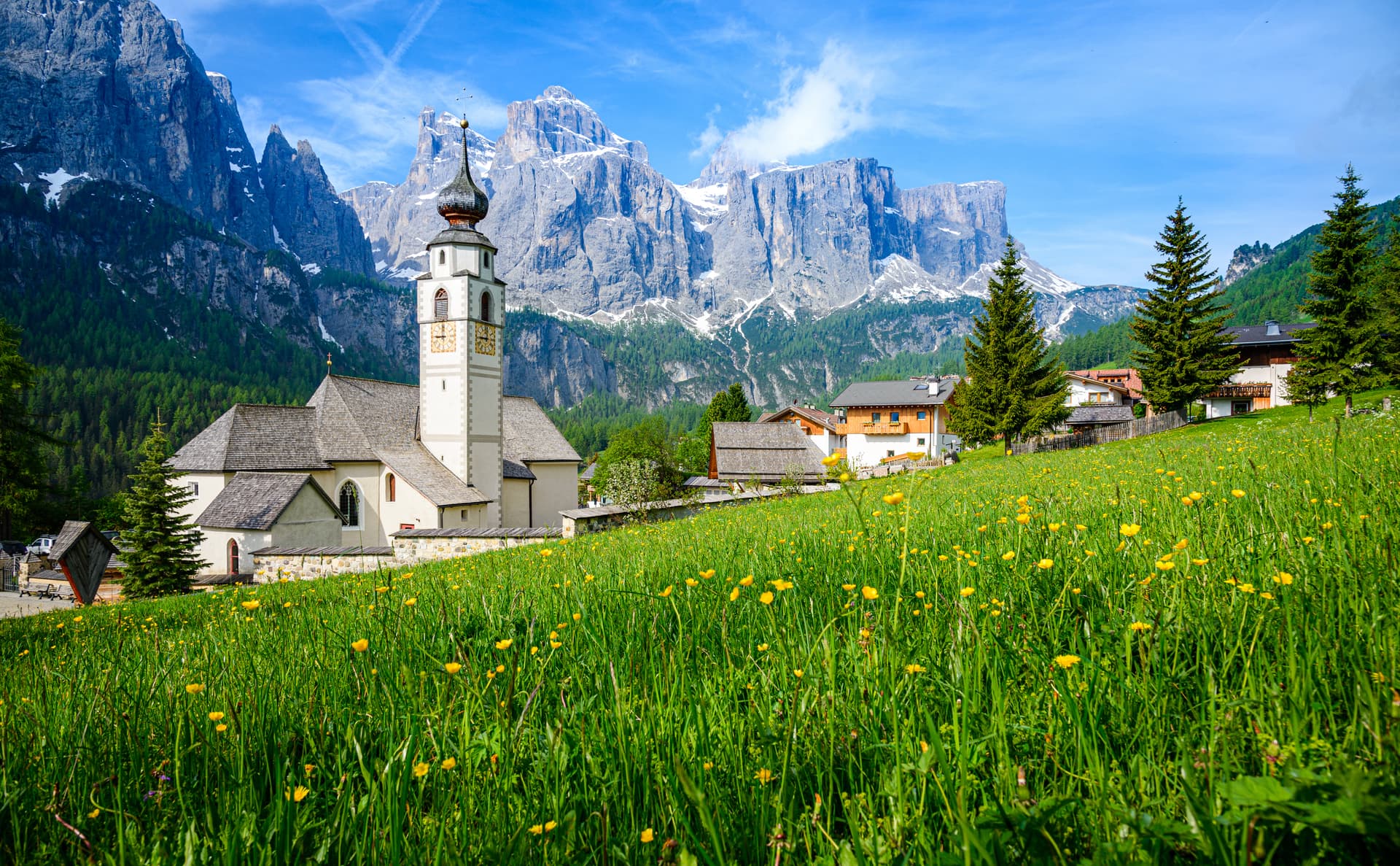
From wildflower meadows to serious via ferrata and summit ascents. Discover it all.
Explore Alta Badia

Canazei
Unlock one of Italy's most extensive trail networks, deep in the Trentino Dolomites.
Explore Canazei
Cortina d'Ampezzo
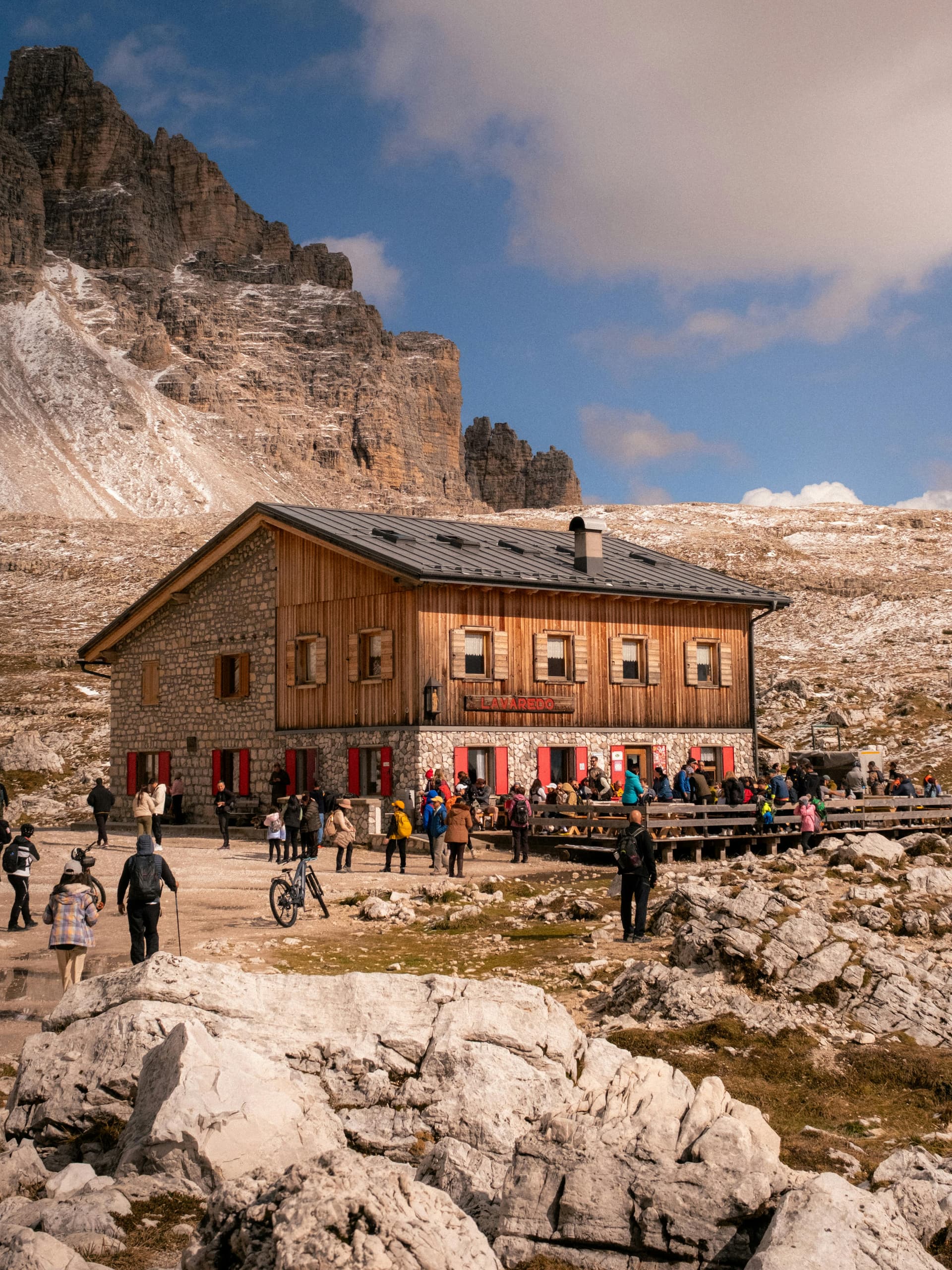
Rust-red towers, flower-filled meadows, and via ferratas for the bold.
Explore Cortina d'Ampezzo

Corvara
Waterfalls, wildflowers, and scenery that stops you mid-stride. Welcome to Corvara.
Explore Corvara

Kronplatz (San Vigilio)
360-degree Dolomite views, a Zaha Hadid museum on the summit, and trails for every level.
Explore Kronplatz (San Vigilio)
Madonna di Campiglio
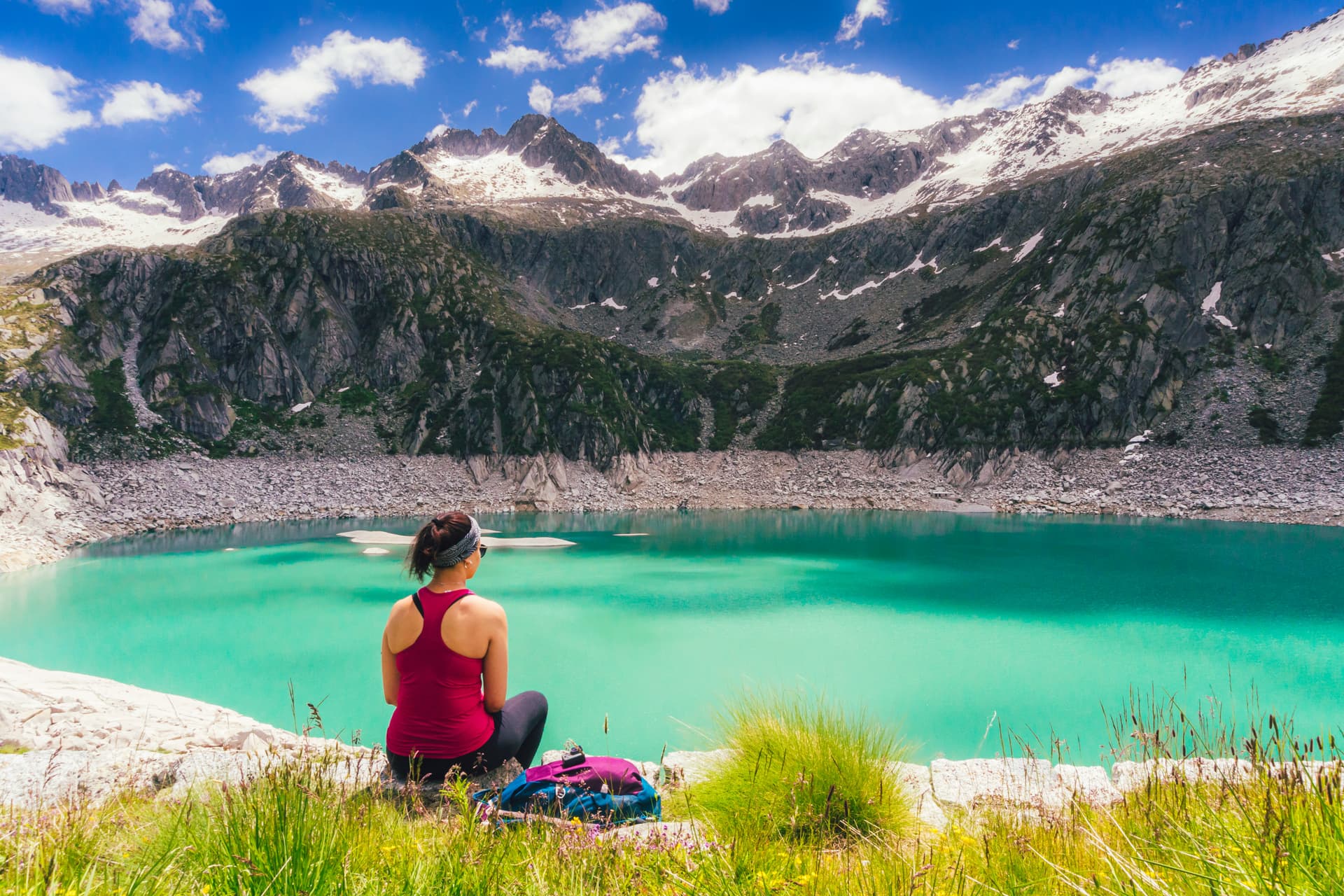
Via ferratas, waterfall trails, and rifugi worth every uphill step.
Explore Madonna di Campiglio

Ortisei
Wildflower carpeted meadows, skyscraper towers, and a cable car straight to the top.
Explore Ortisei
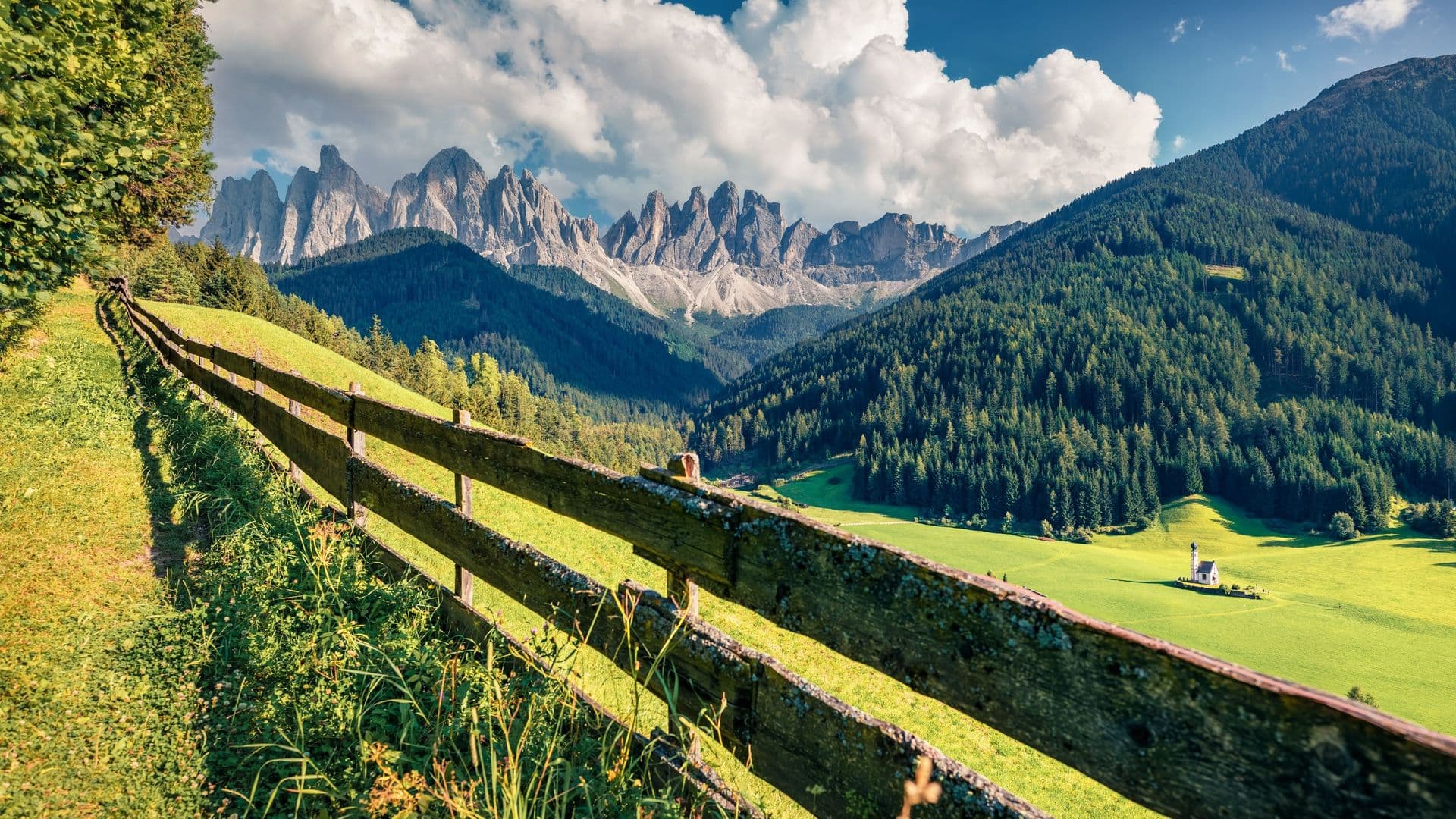
Santa Cristina Val Gardena
Dolomite drama, meadow tranquillity, and a village that keeps things refreshingly low-key.
Explore Santa Cristina Val Gardena
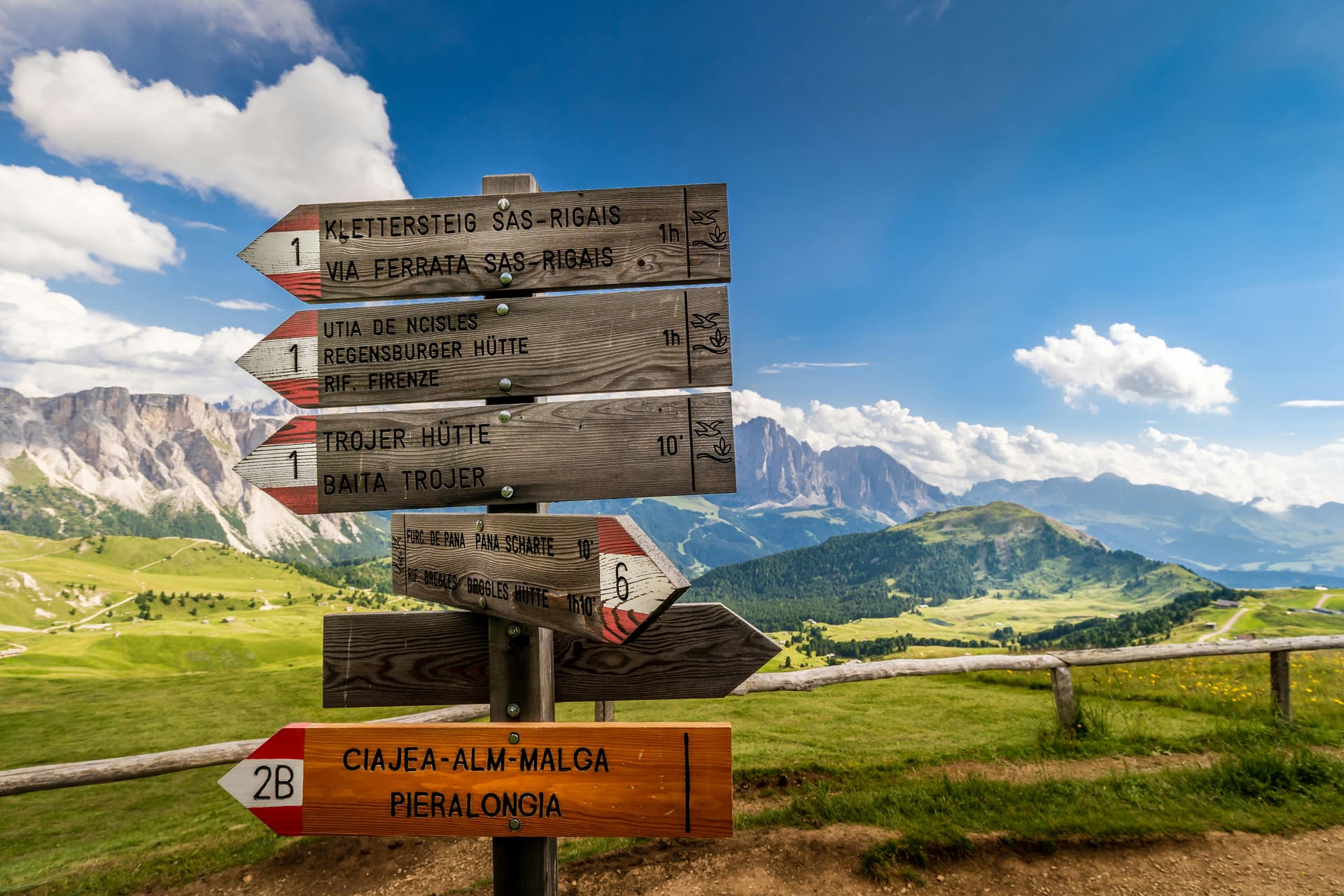
Selva di Val Gardena
Let 17 lifts whisk you up, up, and up to easy plateau walks and challenging via ferrata routes.
Explore Selva di Val Gardena
See our reviews
Walking & hiking holidays in the Dolomites
Your questions answered by our Dolomites walking holiday expert

What month is best to book a walking or hiking holiday in the Dolomites?
The best time for a walking holiday in the Dolomites is July through September, when high paths are fully clear of snow and all rifugi are open and staffed.
- July and August bring the best weather and the most lively mountain atmosphere, but also tend to have the biggest crowds on iconic routes like the Tre Cime di Lavaredo loop.
- September is the best month for walkers: quieter trails, extraordinary amber light on the pale rock faces, and conditions still excellent.
- Late June is worth considering for mid-altitude walks — the rifugi begin opening from mid-June and the crowds haven’t arrived yet.
Which part of the Dolomites is best for a walking holiday?
- Alta Badia and Corvara, along with nearby La Villa and San Cassiano, are among the finest all-round walking bases in the Dolomites: central, well connected by lifts, and surrounded by dramatic landscape, including the Puez-Odle and Fanes-Senes-Braies natural parks.
- Canazei and the Fassa Valley are the gateway to the Marmolada glacier area, also known as the "Queen of the Dolomites", which is home to the Funivie Marmolada cable car, which rises up to 3,265 meters
What are the most iconic walks and trails in the Dolomites?
- The Tre Cime di Lavaredo loop is the Dolomites’ most photographed walk - 10km around three of the world's most recognisable rock towers, with around 500m of ascent and a rifugio stop built in.
- The Alta Via 1 connects Braies to Belluno over 120km of high-level trail, with overnight stays at rifugios throughout — one of the finest multi-day routes in Europe.
- The Alpe di Siusi plateau traverses are accessible for all abilities and staggeringly beautiful.
- The Sella Ronda ski route converts to a spectacular summer walking circuit connecting the main Dolomite valleys.
- The Lago di Carezza is a turquoise lake beneath the Latemar, accessible from Canazei.
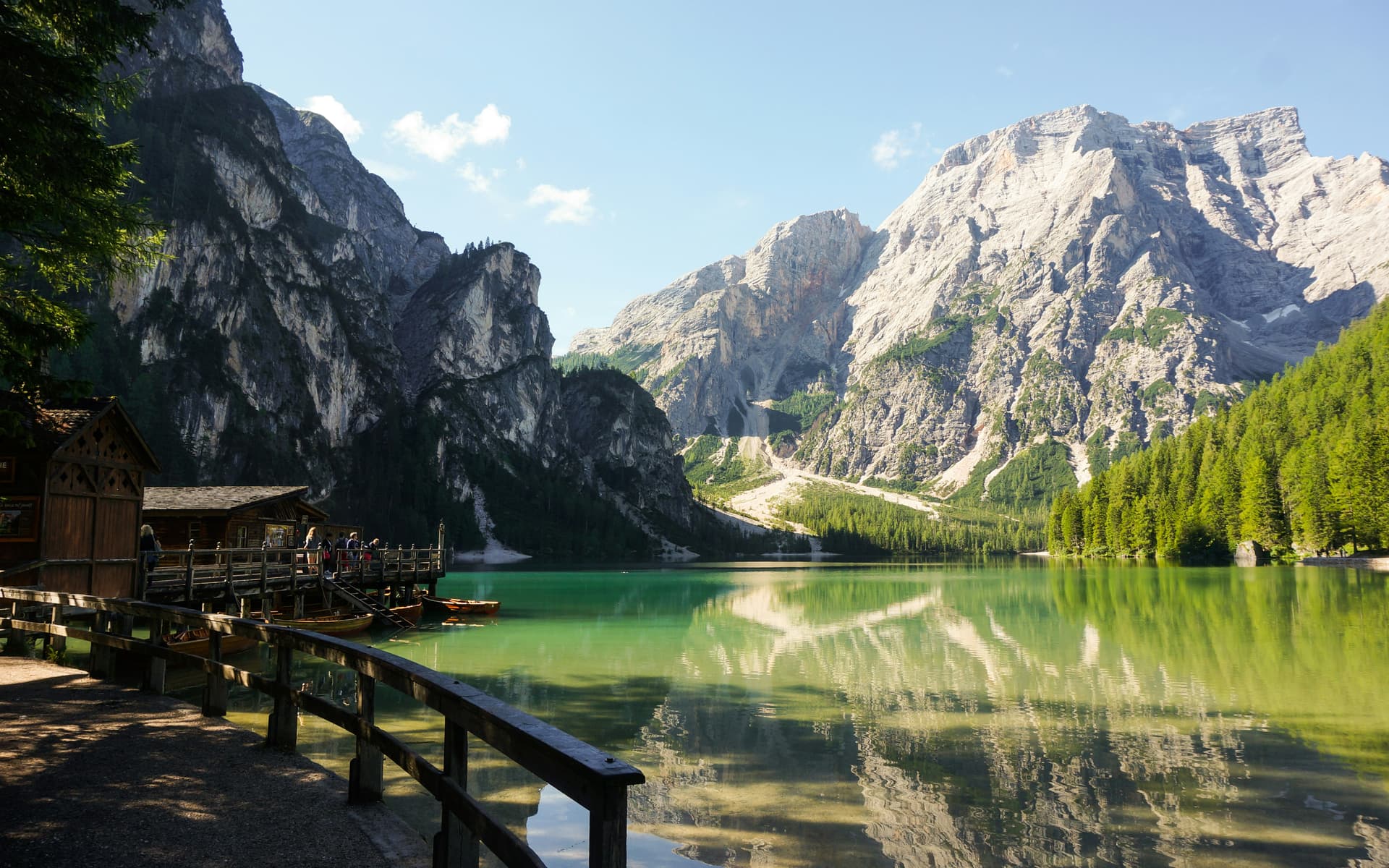
- The emerald green Lago di Braies is an easy day trip from Kronplatz and Cortina d'Ampezzo.
- Tre Cime di Lavaredo, the iconic three-peak massif and the Lago Fedèra are classic day hikes from Cortina d'Ampezzo.
How difficult are the walking trails in the Dolomites?
Dolomites walking trails are graded by the CAI (Club Alpino Italiano) numerical system:
- Routes marked 1–2 are easy tourist paths for most fitness levels. The Tre Cime loop is a grade 2.
- Grades 3–4 are trekking routes requiring fitness and proper footwear. The Alta Via 1 is predominantly grade 3.
- Higher numbers indicate terrain requiring experience and specialist equipment.
- Via ferrata routes are graded separately from A (easy) to D (very difficult).
Signposts throughout the Dolomites show estimated time in both directions rather than distance.
Is a self-guided or guided walking holiday better in the Dolomites?
- Self-guided walking is the most popular approach in the Dolomites, particularly on the Alta Via 1. The trail is clearly marked, rifugi can be pre-booked, and luggage transfer services are well established between valley points.
- Guided is more recommended for high-level ridge routes above 2,800m and via ferrata routes, where technical equipment and route-reading decisions benefit significantly from an IFMGA-certified mountain guide. Even an experienced walker unfamiliar with the via ferrata grading system can underestimate what a D-rated route involves.
Can I hire a mountain guide on my Dolomites walking holiday?
Yes, you can. Guided walking or hiking tours are available at most resorts across the Italian Dolomites.
Though these are not currently bookable via the Heidi website, you can enquire and book with your resort's local tourist office upon arrival, or visit their website. What's more, you can even get discounts when using your free Summer Card*. We recommend booking early to ensure availability.
* Summer Card included for free with stays at select hotels and accommodations.
Can I still access lift and gondolas in the summer?
Yes, you can. Lifts and gondolas still operate throughout the summer months, provided conditions are safe and favourable, and many of the mountain bars and eateries you’d find on a skiing holiday still operate during these warmer months.
Even better, with your free Summer Card*, you can get great discounts and even free access to many of these lifts and gondola routes.
* Summer Card included for free with stays at select hotels and accommodations.
Are walking holidays in the Dolomites good for beginners?
The Dolomites are excellent for beginner walkers, particularly on the Alpe di Siusi plateau and the mid-altitude routes accessible by gondola from the main valleys:
- The Alpe di Siusi — the largest high-altitude meadow plateau in Europe — is largely flat and easy underfoot, with the Geisler and Sassolungo peaks as a dramatic backdrop.
- Gondola access from Castelrotto, Ortisei, and Selva lifts beginners directly to 2,000m without any ascent.
- The Tre Cime di Lavaredo loop, despite its fame, is accessible to even the most basic, moderately fit walkers.
- Most rifugi also have accessible connecting paths — catering to a wide ability range.
Are the Dolomites a good destination for a family walking holiday?
The Dolomites are a fantastic family walking destination, combining dramatic scenery with accessible gondola-served terrain and the warmth of Italian family culture.
Alta Badia has well-developed summer infrastructure: easy-marked trails, rifugi welcoming to children, and cable-car access that takes the hard work off younger legs.
The food helps too: rifugio lunches of fresh pasta and local cheese are a highlight for children and adults alike, as well as the sheer amount of pizza.
Top tip: the Dolomites in peak August can be very busy on the main circuits - we recommend booking early for the best accommodation availability and pricing.
What are the best walks for advanced hikers in the Dolomites?
The Dolomites are outstanding for experienced walkers, particularly those seeking via ferrata and high-level ridge routes.
- The Alta Via 2 is more demanding than the Alta Via 1 - more remote, more ascent, and more challenging terrain between Bressanone and Feltre.
- Via ferrata routes are a Dolomites speciality: the Ferrata degli Alpini, Ferrata Ivano Dibona, and dozens more range from introductory to technically serious, with the fixed-rope sections above 2,500m requiring a proper guide and appropriate equipment.
- The Marmolada glacier approaches, and the exposed ridges of the Civetta group offer some of the most challenging mountain terrain in Europe.
What's included with my Summer Card?
What's a Summer Card? Glad you asked!
Complimentary with most hotel stays, this little pass helps you get more mountain for your money. It includes lift rides, lake and lido swimming, bike rentals, local transportation, guided walks, cycle tours, and much more.
Some activities are free with the card; others are discounted—it depends on the resort. Keep an eye out for the Summer Card symbol to see which hotels offer it and what benefits you can receive.
Walking & Hiking in the Dolomites
Your questions answered by our Dolomite hiking holiday expert
Can I hire a mountain guide on my Dolomites Hiking holiday?
Yes, you can. Guided walking or hiking tours are available at most resorts across the Dolomites.
Though these are not currently bookable via the Heidi website, you can enquire and book with your resort's local tourist office upon arrival, or visit their website. What's more, you can even get discounts when using your free Summer Card*. We recommend booking early to ensure availability.
* Summer Card included for free with stays at select hotels and accommodations.
How do I get to the starting point of walks and hikes?
Most resorts have a great network of local buses and trains that can link you up to the starting point of hikes and trails as well as neighbouring resorts, giving you plenty to explore with ease.
We recommend checking out maps and timetables for bus and train routes with the resort’s local tourist office or on their website.
Can I still access lift and gondolas in the summer?
Yes, you can. Lifts and gondolas still operate throughout the summer months, provided conditions are safe and favourable, and many of the mountain bars and eateries you’d find on a skiing holiday still operate during these warmer months.
Even better, with your free Summer Card*, you can get great discounts and even free access to many of these lifts and gondola routes.
* Summer Card included for free with stays at select hotels and accommodations.
What's included with my Summer Card?
What's a Summer Card? Glad you asked!
Complimentary with most hotel stays, this little pass helps you get more mountain for your money. It includes lift rides, lake and lido swimming, bike rentals, local transportation, guided walks, cycle tours, and much more.
Some activities are free with the card; others are discounted—it depends on the resort. Keep an eye out for the Summer Card symbol to see which hotels offer it and what benefits you can receive.